

Post-pregnancy tummy tightening in The Woodlands: treatment options
A postpartum belly isn’t always caused by stubborn fat. For post-pregnancy tummy tightening in The Woodlands, the right approach depends on what has changed: abdominal muscle separation, stretched skin, or another effect of pregnancy. These concerns can look similar, but they call for different kinds of care.
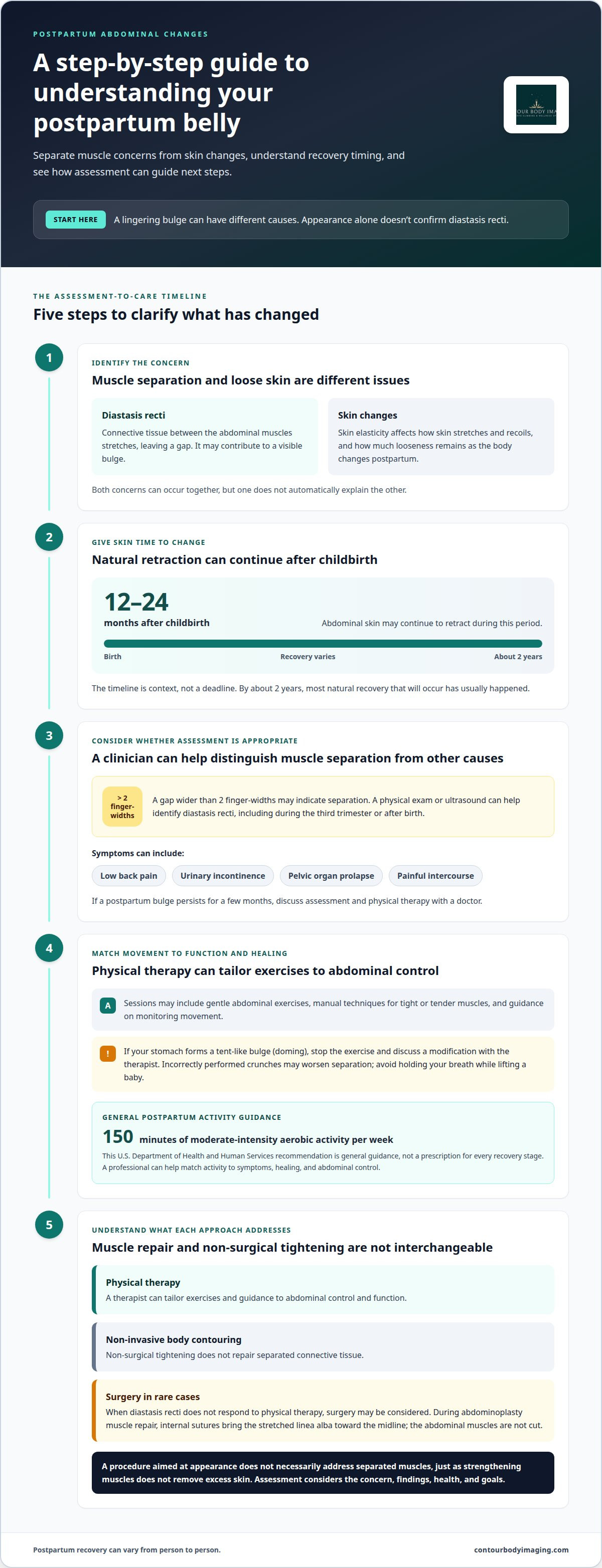
It’s understandable to expect your abdomen to return to its previous shape quickly, but recovery takes time. Diastasis recti, a separation of the abdominal muscles, can contribute to a lingering bulge, while changes in skin elasticity can leave loose skin. A postpartum belly may take several months to resolve, and abdominal skin can continue to retract for roughly 12 to 24 months after childbirth.
This article explains why these changes happen and how diastasis recti and skin elasticity affect treatment choices. You’ll learn what non-invasive body contouring can address, when a medical assessment may be appropriate, and what to understand about treatment and recovery before deciding on your next step.
Table of Contents
Diastasis recti after pregnancy
Diastasis recti occurs when the connective tissue between the abdominal muscles stretches, leaving a gap. Pregnancy can place sustained pressure on this tissue, especially with twins or triplets, more than one child, closely spaced pregnancies, a heavy baby, or pregnancy after age 35. A previous pregnancy with diastasis recti is another risk factor. The separation may contribute to a visible abdominal bulge, but appearance alone doesn’t confirm the condition.
A physical exam or ultrasound can help identify diastasis recti, including during the third trimester or after birth. A gap wider than 2 finger-widths may indicate separation. Symptoms can include low back pain, urinary incontinence, pelvic organ prolapse, or painful intercourse. If a postpartum bulge persists for a few months, discuss assessment and physical therapy with a doctor. That helps distinguish muscle separation from loose skin or other causes.
A physical therapist can tailor exercises to abdominal control and function. Sessions may include gentle abdominal exercises, manual techniques for tight or tender muscles, and guidance on monitoring your abdomen during movement. If your stomach forms a tent-like bulge, called doming, stop the exercise and discuss a modification with the therapist. Crunches performed incorrectly may worsen separation, and people with diastasis should avoid holding their breath while lifting a baby.
The U.S. Department of Health and Human Services recommends 150 minutes of moderate-intensity aerobic activity per week for postpartum exercise. This is general activity guidance, not a prescription for every recovery stage. A professional can help match activity to symptoms, healing, and abdominal control, then progress toward deep-core strengthening when appropriate. The goal is controlled movement, not forcing a difficult exercise or chasing a particular shape.
Surgery is considered in rare cases when diastasis recti doesn’t respond to physical therapy. During abdominoplasty muscle repair, surgeons use internal sutures to bring the stretched linea alba toward the midline; they don’t cut the abdominal muscles. This differs from non-surgical tightening, which doesn’t repair separated connective tissue. A surgical assessment considers the separation, symptoms, health, and goals before discussing whether repair is appropriate.
There isn’t one BMI threshold that determines candidacy for postpartum tummy-tightening surgery. A surgical assessment considers BMI alongside overall health, healing risks, abdominal findings, and the person’s goals. Pregnancy alone doesn’t establish insurance coverage: insurers assess policy terms and the reason for surgery. Financing terms are set by individual practices, so options vary locally.
Medicare item 30175 in Australia covers diastasis recti repair in specific circumstances following pregnancy. That Australian benefit doesn’t describe coverage in The Woodlands, Texas. For local decisions, distinguish treatment for muscle separation from cosmetic skin removal, and consider which concern is affecting function or appearance. That distinction helps frame the conversation about therapy, surgery, insurance, and recovery.
Skin retraction and factors that affect elasticity
A pregnancy belly develops as the abdomen changes to accommodate pregnancy. Across 9 months, the abdominal layers stretch and reshape, placing a continuing demand on skin and connective tissue. After birth, the abdomen doesn’t necessarily return to its earlier appearance at once. Skin elasticity describes how skin stretches and recoils; it influences how much loose skin remains as the body changes postpartum.
Retraction takes time. Abdominal skin may continue to retract for roughly 12 to 24 months after childbirth, and by about 2 years, most natural recovery that will occur has usually happened. That timeline offers context, not a deadline for every mother. The pace and degree of change vary with the amount of stretching, individual skin characteristics, and how the abdomen changes after pregnancy.
Pregnancy-related risk factors include the extent and pattern of abdominal expansion. A pregnancy with multiples, such as twins or triplets, and having more than one child are recognized risk factors for diastasis recti. They relate to abdominal separation, however, and don’t by themselves show how much skin will retract. A clinician can consider these details alongside the pregnancy belly, skin texture, and whether the concern is loose skin or muscle separation.
Stretch marks can appear when skin stretches during pregnancy. They reflect changes in the skin, but their presence alone doesn’t show how much elasticity remains or predict a specific result. One mother, for example, may have stretch marks with relatively little loose skin, while another may be more concerned about softness or folds. These differences matter because skin appearance and abdominal strength are separate considerations, even when they occur together.
Skin firmness and abdominal muscle function are different concerns. A procedure aimed at appearance doesn’t necessarily address weakened or separated muscles, just as strengthening muscles doesn’t remove excess skin. An assessment should distinguish the main concern before discussing options. A professional can consider the area, skin looseness, tissue quality, and your goals, then explain whether the desired change involves skin, contour, or another postpartum issue.
For someone considering post-pregnancy tummy tightening, timing and the treatment goal both matter. Natural retraction can continue through the 12-to-24-month period after childbirth, so the abdomen may keep changing during that time. If excess skin remains after changes have settled, a professional discussion can clarify what a non-surgical approach can address and where its limits lie. This gives the mother a clearer basis for weighing appearance, comfort, and recovery.
Why loose abdominal skin can persist after pregnancy
Pregnancy stretches and reshapes abdominal layers over 9 months, and skin may not fully recoil afterward. A tummy tuck and mini tummy tuck are surgical options, while nonsurgical skin tightening doesn’t remove excess skin.
Abdominal Muscle Separation
Diastasis recti is a separation between the abdominal muscles that can develop as connective tissue stretches. A persistent bulge may reflect muscle separation, loose skin, or both, and each calls for a different approach. A clinician can assess abdominal function and appearance, then explain whether muscle support, skin treatment, or a separate medical evaluation is relevant.
Skin can remain loose because its supporting tissues have been stretched, and natural retraction takes time. Abdominal skin may continue to retract for roughly 12 to 24 months after childbirth. The amount of stretching, tissue elasticity, and changes in the abdomen all affect its appearance. Stretch marks may accompany stretched skin, but they don’t show whether abdominal muscles have separated or predict how much skin will retract.
For diastasis recti, a physical therapist may recommend an abdominal binder or support belt as part of care. The clinician can assess comfort, fit, and whether support suits your symptoms and activities. A binder supports the abdomen; it doesn’t remove excess skin or repair muscle separation on its own. Ask how to use support during daily movement, including lifting or carrying a baby.
Abdominal taping may also support the abdomen and cue core strengthening during physical therapy. A therapist can decide where the tape should go and how it fits with movement or exercise. Taping doesn’t remove skin or replace an assessment for diastasis recti. For example, a therapist may use tape as a reminder to maintain abdominal control during an activity.
Tummy Tuck and Tightening Options
Abdominoplasty, commonly called a tummy tuck, is surgery that removes excess skin and stitches the remaining skin together; the surgeon may reposition the belly button. A mini tummy tuck is also surgical, while nonsurgical skin tightening doesn’t remove skin. The distinction matters: the amount and location of excess skin, along with any muscle separation, determine which option addresses the concern.
During abdominoplasty muscle repair, internal sutures bring the stretched linea alba toward the midline; surgeons don’t cut the abdominal muscles. Surgery is generally considered in rare cases of diastasis recti that don’t respond to physical therapy. A clinician can explain whether the concern involves skin, muscle separation, or both. That assessment helps you compare the intended changes and recovery implications before choosing a procedure.
Treatment duration and recovery
Recovery depends on whether care involves physical therapy, nonsurgical treatment, or surgery. Timing also matters, since the abdomen can continue changing after childbirth.
Timing After Pregnancy
Around 12 months after pregnancy is a general guideline before abdominoplasty. This timing allows postpartum changes to progress before surgical planning, but weight changes and future pregnancy plans also affect the decision. A tummy tuck isn’t a substitute for weight loss or exercise. A surgeon considers the abdominal concern, overall health, and recovery demands when discussing an appropriate schedule.
Timing After Breastfeeding
After breastfeeding, surgical timing depends on recovery, weight stability, and future pregnancy plans, rather than on one interval that suits everyone. These factors help shape surgical planning and expectations for the abdomen. Eating patterns may also change during breastfeeding, so weight changes matter when considering a lasting contour. Discussing these details with the surgical team helps align timing with your health and goals.
Recovery from diastasis recti can take anywhere from two months to a year. Progress in physical therapy depends on abdominal control, symptoms, and how the muscles respond to targeted exercise. A professional can adjust activity as strength improves, rather than advancing too quickly. After childbirth, start new workouts with light activity and progress gradually, with medical guidance before beginning.
Surgical recovery follows a different course. Many patients stay in hospital for 1 to 2 nights after abdominoplasty, and most take around 2 weeks off desk-based work. Heavy lifting and core exercise are generally avoided for around 6 weeks. Since lifting toddlers or heavy loads is restricted during this period, arranging help with childcare and household tasks can make recovery more manageable.
Healing continues beyond the first weeks. Abdominoplasty scars may take 12 to 18 months to settle into a fine line, so early appearance isn’t the final scar result. A patient’s recovery plan should account for incision care, activity limits, and follow-up visits. The surgical team can explain which changes require attention and how to reduce strain during routine tasks.
Weight gain after surgery can change the abdomen again, while eating and activity habits influence weight over time. A surgeon discusses these factors alongside the expected benefits and possible complications of a procedure. Planning around work, baby care, and lifting needs can help you prepare for recovery. The right timeline allows for healing, practical support, and informed decisions.
The Woodlands, Texas clinic
In The Woodlands, postpartum abdominal concerns may call for medical assessment, physical therapy, nonsurgical contouring, or surgery. The suitable path starts with distinguishing muscle separation from loose skin or localized contour concerns.
A doctor can assess a persistent stomach bulge, symptoms, and relevant pregnancy history before treatment planning. Physical therapy focuses on abdominal function and guided exercise, while surgery addresses concerns such as excess skin or muscle separation. Nonsurgical body-contouring treatments are a separate category, intended for contour goals rather than diagnosing or repairing diastasis recti.
That distinction matters because a pregnancy belly can reflect more than one change. A soft fold of excess skin and a bulge that becomes more pronounced during movement, for example, raise different questions. A clinical assessment can clarify whether the priority is muscle function, skin appearance, or body contour. It also helps set expectations about what each treatment can and cannot address.
Exercise choices should suit your postpartum recovery and symptoms. A physical therapist can observe how your abdomen responds during movement, then adapt a routine to support control and strength. If a doctor identifies signs that need medical attention, cosmetic tightening isn’t a substitute for that care. Addressing the underlying concern first keeps treatment decisions appropriate.
Weight loss and body contouring serve different purposes. Exercise can support general fitness, but it can’t selectively reduce fat from the stomach area. A professional conversation can distinguish goals related to overall weight from concerns about loose skin or a specific contour. Someone whose weight is changing, for instance, may prioritize stability before assessing remaining skin concerns.
For a local appointment, useful topics include the area that bothers you, changes since pregnancy, symptoms during activity, and your preferred type of care. Bring relevant medical history and describe any previous assessment or therapy. These details help a professional understand whether a doctor’s evaluation, physical therapy, nonsurgical treatment, or surgical consultation best matches your concern.
The key takeaway for The Woodlands is to match treatment to the cause, not just the abdomen’s appearance. A routine that supports recovery, therapy for muscle function, and a procedure for excess skin address different needs. Understanding those differences makes the next conversation more specific and helps you weigh the time, recovery, and goals involved.
Texas regulations require a referral from an Ob/Gyn or another doctor caring for the patient before they can participate in physical therapy. If you’re considering therapy, discuss the referral with your Ob/Gyn or another doctor caring for you before participating. You can also talk about your abdominal concerns, symptoms during activity, and whether physical therapy is an appropriate next step. Keep the referral requirement in mind when arranging care, alongside the broader question of whether your goal is muscle function, skin appearance, or contour. A clinical assessment can help align those choices with your concern.
Contour Body Imaging
Contour Body Imaging offers non-invasive body-contouring options for people considering changes to abdominal contour after pregnancy. If your concern is localized contour rather than muscle separation, Cryo T-Shock Body Contouring may be relevant to discuss. It doesn’t replace medical assessment for diastasis recti or surgery for excess skin.
A conversation can help clarify your goals and whether a non-invasive approach fits them. Consider whether you’re focused on contour, skin appearance, or symptoms that need medical attention; each calls for a different next step. Treatment choices should reflect your postpartum recovery and the concern you want addressed, rather than assuming one option suits everyone.
To discuss your postpartum body-contouring goals, contact Contour Body Imaging.
Choose a Next Step That Fits Your Goals
For post-pregnancy tummy tightening in The Woodlands, start by defining the change you want to address and the kind of care you’re considering. Appearance-focused goals differ from concerns involving pain, muscle function, or other symptoms. Keep those distinctions clear as you plan your next conversation, so treatment discussions stay focused on your needs and expectations.
Contour Body Imaging offers Cryo T-Shock Body Contouring, Cryo Facial, and Endosphere. These are distinct services, so focus the discussion on whether a non-invasive body-contouring option aligns with your abdominal goals. Aesthetic treatment isn’t a substitute for medical assessment when symptoms or muscle separation are concerns.
Taking time to clarify your priorities can make the next step feel more manageable. Approach the decision thoughtfully, with your comfort and personal goals at the center.
Your postpartum goals deserve thoughtful, individual attention.
Frequently Asked Questions
What is postpartum belly?
A postpartum belly describes the abdomen’s appearance and feel after childbirth as the body adjusts following pregnancy. It may involve loose skin, changes in body fat, stretched connective tissue, or a combination of these. The term describes a common body change, not a diagnosis. Noticing whether your concern is mainly skin, contour, or abdominal function can help you explain your goals clearly during a professional assessment.
How Can a Professional Help Get My Belly Back in Shape?
A professional can help clarify whether your goal involves abdominal contour, skin appearance, or symptoms that need medical assessment. They can discuss your health history, priorities, and relevant changes since pregnancy, then explain which options address your concern. For example, a contour-focused treatment doesn’t repair separated muscles. If muscle function or symptoms are involved, a medical or physical therapy assessment is a more appropriate starting point.
What professional treatments may help shrink your tummy after childbirth?
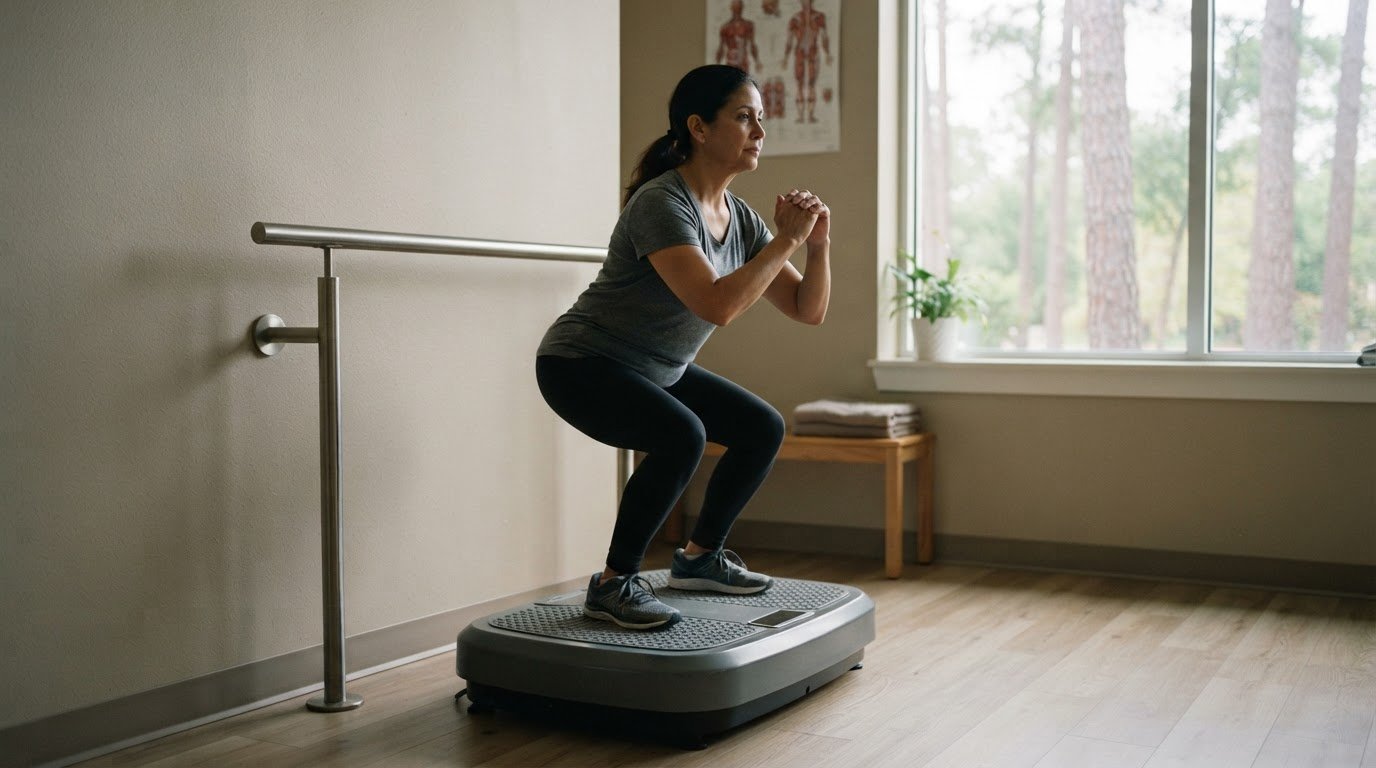
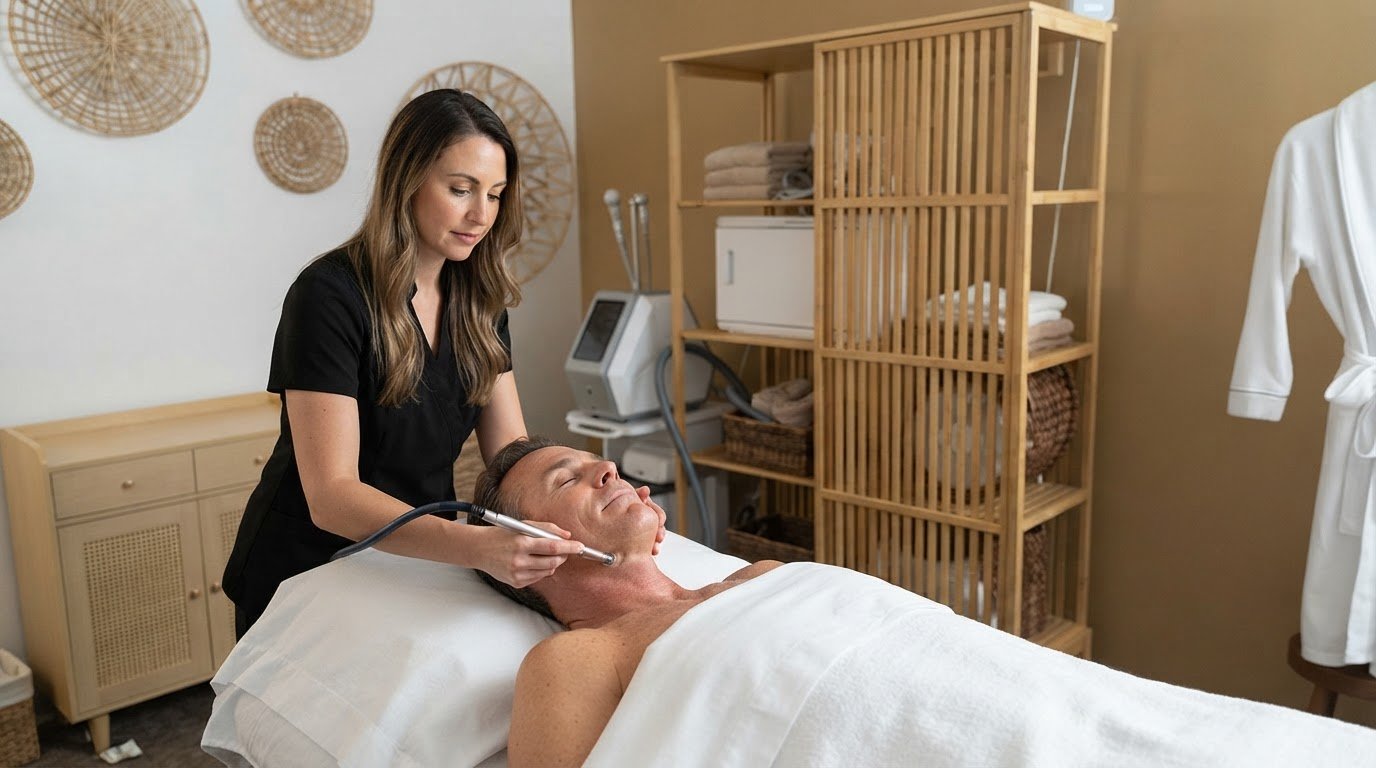
For post-pregnancy tummy tightening in The Woodlands, non-invasive options include Cryo T-Shock Body Contouring and Endosphere. Cryo T-Shock uses alternating hot and cold temperatures, while Endosphere delivers rhythmic micro-vibrations that feel like a massage. These approaches address body-contouring goals, not muscle separation or surgical removal of excess skin. A treatment discussion can focus on your priorities, such as contour or skin appearance, and clarify which concerns need a different kind of care.
When Will I See the Results?
Some people notice changes such as smoother-looking skin, improved circulation, or reduced puffiness after an initial session. A series of treatments is used for optimal results, and progress depends on personal goals, lifestyle habits, hydration, treatment consistency, and overall health. Discuss which changes matter most to you before treatment, so you have clear, realistic markers for evaluating progress over time.
Comments