

5 Things to Consider When Planning Red Light Therapy for Pain
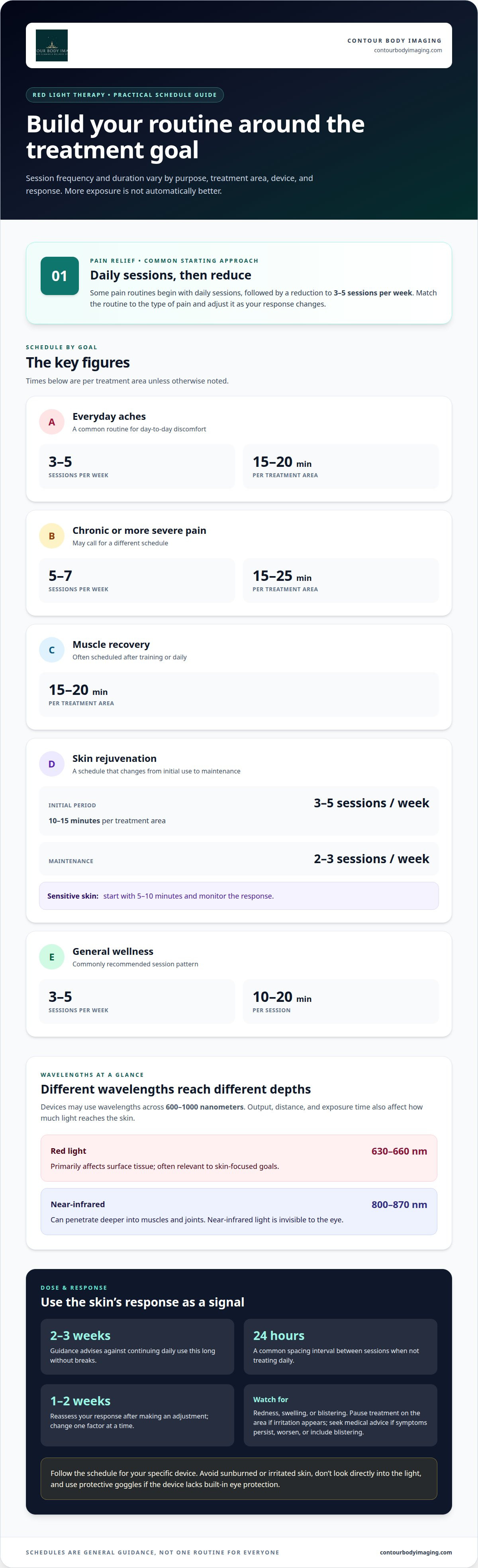
For pain, more red light therapy isn’t automatically better. If you’re wondering how often should you do red light therapy, a common starting approach for pain relief is daily sessions, followed by a reduction to 3-5 sessions per week. For everyday aches, sessions commonly last 15-20 minutes per treatment area; chronic or more severe pain may call for a different schedule.
It’s understandable to want a clear routine when pain is affecting your day, but frequency and session length work together. The right approach also depends on the treatment area and whether the goal is easing everyday discomfort or addressing persistent pain. This guide explains what red light therapy is, how red and near-infrared wavelengths relate to treatment depth, how to think about session timing, and what signs may suggest you’re overdoing it, so you can make more informed choices about pain management.
Table of Contents
1. What Is Red Light Therapy?
Red light therapy uses red or near-infrared light on a selected area of the body. Also called photobiomodulation, it is used for goals such as pain management, muscle recovery, and skin care. Although the treatment is noninvasive, the device’s light output and exposure time affect the dose. Follow the schedule for your specific device rather than assuming one frequency works for everyone.
If you’re asking how often you should do red light therapy, common recommendations vary by purpose. For general wellness, sessions often last 10 to 20 minutes, 3 to 5 times per week. For pain relief, some routines begin with daily sessions, then reduce to 3 to 5 weekly sessions. These are general schedules, not a reason to increase exposure when discomfort persists.
For everyday aches, a commonly recommended routine is 3 to 5 sessions weekly, with 15 to 20 minutes per treatment area. Chronic or more severe pain may involve 5 to 7 weekly sessions, also for 15 to 25 minutes per area. Muscle recovery is often approached with sessions after training or daily, lasting 15 to 20 minutes per area. A consistent schedule gives you a clearer way to notice changes in pain or movement.
For skin rejuvenation, common guidance suggests 3 to 5 treatments weekly during the initial period, often for 10 to 15 minutes per treatment area. After that, 2 to 3 weekly sessions may support maintenance. Collagen production is one reason people use red light for skin goals, but changes take consistent use rather than longer sessions. Sensitive skin can start with 5 to 10 minutes while monitoring its response.
Professional red light treatments are generally paid for per appointment, while home use involves buying a device. Costs depend on the treatment format and device, so compare the type of care and intended use rather than assuming one option costs less.
If you have a history of skin or eye cancer, consult an oncologist or primary care physician before treatment. During recovery from surgery or an invasive treatment, ask a healthcare provider about appropriate frequency. Avoid treating sunburned or irritated skin. Follow the device directions, don’t look directly into the light, and use protective goggles if the device lacks built-in eye protection.
2. Signs of overuse and how to adjust a routine
More exposure does not necessarily produce a stronger response. Red light therapy is often described as having a biphasic response: a suitable dose may stimulate cellular activity, while too much may reduce the benefit. Extending sessions or adding sessions each week is therefore not automatically a better way to support healing.
The dose-response relationship depends on how much light reaches the treatment area and for how long. Red and near-infrared light interact with processes involving mitochondria, which help cells produce energy. That does not mean more exposure always improves function. If a routine becomes uncomfortable or causes unwanted skin changes, pause and reassess instead of increasing the dose.
Possible signs of overuse include redness, swelling, and blistering. High levels of red light can cause these skin reactions. Temporary warmth may feel different from irritation, so watch for changes that persist or worsen after a session. Avoid treating skin that is sunburned or irritated by another treatment, since more exposure may add discomfort.
A practical adjustment starts with the symptom and the schedule. If redness or irritation appears, stop sessions on that area until the skin settles. Then review both session length and weekly frequency; changing one at a time makes it easier to notice what affects your response. If symptoms persist, worsen, or include blistering, seek medical advice instead of resuming treatment on your own.
Daily use deserves particular care. Guidance advises against continuing daily red light therapy for more than 2-3 weeks without breaks. That isn’t a target to reach: a routine should reflect the intended use and the skin’s response. For a schedule that doesn’t involve daily treatment, leaving at least 24 hours between sessions is a common way to space exposure.
After making an adjustment, reassess your response after 1 to 2 weeks. Note the treatment area, session duration, frequency, and any changes in skin comfort or symptoms. For example, if you reduced exposure after redness appeared, track whether the redness settles before considering another session. A simple record is more useful than making several changes at once.
Consistent discomfort, worsening irritation, or a reaction that doesn’t settle calls for professional guidance. If you’re exploring wellness treatments alongside your routine, the Introductory Offer is one option to consider, while keeping red light exposure within a comfortable schedule.
3. Red and near-infrared wavelengths
A red light therapy device emits light at particular wavelengths, measured in nanometers. Red and near-infrared light are different parts of the spectrum, and their wavelengths affect how deeply light can reach tissue. Devices may use wavelengths across 600 to 1000 nanometers. The exact output matters because “red light therapy” can describe devices with different wavelength combinations.
Red wavelengths around 630-660 nm primarily affect surface tissue. That range is often relevant to skin-focused goals, such as supporting a skincare routine for wrinkles or uneven-looking texture. A device using 660 nm red light is one example. Wavelength alone does not determine the full treatment dose, however. Output, distance, and exposure time also influence how much light reaches the skin.
Near-infrared light uses longer wavelengths, commonly around 800-870 nm, and can penetrate deeper into muscles and joints. An 850 nm wavelength is a commonly used example. That difference may matter when the target is beneath the skin rather than at its surface. Near-infrared remains invisible to the eye, so seeing a bright red glow does not show how much infrared light the device emits.
Some light therapy devices combine red and near-infrared wavelengths, such as 660 nm and 850 nm. That combination brings two wavelength ranges into one session, but it doesn’t make every device equivalent. Check the device’s stated wavelengths and intended treatment area. A panel designed for facial skin and a device intended to cover a larger body area may deliver light differently.
Wavelength alone does not determine how often to have a session. Frequency also depends on the goal and the device’s output. A skin-focused routine and one targeting deeper muscle tissue may use different treatment areas and exposure plans. Follow the device directions rather than extending a session based only on its wavelength.
For skin goals, follow a consistent routine rather than frequently switching wavelengths. Keep skincare simple, use the device as directed, and observe how the treated area responds. Red and near-infrared light are not the same as ultraviolet exposure, but eye protection still matters: don’t look directly at the light, and use goggles if the device lacks built-in eye protection. A wavelength label describes the light emitted, but it cannot predict results or replace an appropriate treatment plan.
4. Session duration: what’s the ideal time?
For many red light therapy routines, 10 to 20 minutes per treatment area is a common session range. The right time depends on the device’s output, the distance from your skin, and the area being treated. A shorter session can deliver a different dose from a longer one, even when the same device is used. Follow the manufacturer’s directions before adjusting your timing.
If you’re new to treatment, starting with around 5 minutes gives you a chance to observe your skin’s response. People with sensitive skin are advised to begin with 5 to 10 minutes. Keep the first sessions simple: use the device as directed, note the duration, then watch for redness or irritation. Don’t add extra time just because the first session feels uneventful.
For skin-focused skincare, 10 minutes may be a practical session length, while common guidance for skin rejuvenation uses 10 to 15 minutes per treatment area. For general wellness, 10 to 20 minutes per area is commonly recommended. These ranges aren’t interchangeable instructions for every device. The manufacturer’s directions take priority because device output affects how much light reaches the treatment area.
Distance changes exposure too. Home-use guidance commonly places the skin about 6 to 12 inches from the device. Moving closer or farther away can change the light reaching the skin, so keep the recommended distance consistent between sessions. Don’t assume that standing closer will shorten treatment safely, or that moving farther away means you should extend the session.
Position the device so the light faces the specific area you want to treat, and stay in place for the planned time. For example, when treating one knee, aim the light at that area rather than shifting position midway through the session. For a larger area, follow the device directions for coverage instead of improvising overlapping exposures.
A dose can be estimated by multiplying irradiance in mW/cm² by treatment time in minutes, then by 0.06. This helps explain why “10 minutes” alone doesn’t describe the dose: two devices can deliver different outputs during that same period. If the irradiance or treatment distance changes, don’t automatically preserve the old duration. Use the device’s instructions to guide timing.
For recovery or skin care, consistency means following the recommended session length, not extending it to chase faster changes. Stop if the skin becomes irritated and reassess the plan rather than adding minutes. Avoid looking directly at the light, and use goggles if the device lacks built-in eye protection.
5. Does recommended red light therapy frequency vary by device, wavelength, or treatment area?
Yes. Frequency depends on the device’s output, wavelength, and treatment area. Home devices are often less powerful than those used in doctors’ offices, so the same session time can deliver a different exposure. Follow the instructions for your specific device instead of borrowing a schedule for another model. The same weekly frequency does not necessarily mean the same dose.
Wavelength helps explain the treatment target, but it doesn’t set frequency alone. Red light around 630-660 nm primarily affects surface tissue, while near-infrared light around 800-870 nm can reach deeper muscles and joints. A facial skincare device and a device aimed at a deeper joint therefore have different considerations. Output, distance, and exposure time still shape the delivered dose, even when wavelengths are similar.
The treatment area matters because the goal and tissue depth can differ. General aches and mild discomfort are associated with surface doses around 20-60 J/cm², while deeper joints and more persistent pain are associated with about 60-150 J/cm². These dose ranges don’t translate directly into a universal number of weekly sessions. Device strength and treatment distance affect how long it takes to deliver a dose.
Use the device directions to set your starting schedule, session length, and positioning. Keep the treatment area and distance consistent between sessions so changes in exposure don’t make your response harder to assess. Don’t assume a shorter session with a stronger device is equivalent to a longer one with a less powerful device. A different wavelength also does not automatically mean you should add sessions.
For at-home use, check the device’s stated wavelength and output, then follow its recommended exposure time. If you switch devices, review the directions instead of carrying over your old schedule. Pay attention to the treated area, especially if redness or irritation develops. The device’s light spectrum, treatment area, and output all matter when considering frequency.
Keep a simple record of the device, treatment area, session length, and weekly schedule. This can help you notice whether equipment or positioning changes coincide with a change in comfort. Avoid increasing session time and frequency at once. Adjust one part of the routine, then observe your response to distinguish changes in equipment or positioning from changes in how often you treat.
Contour Body Imaging
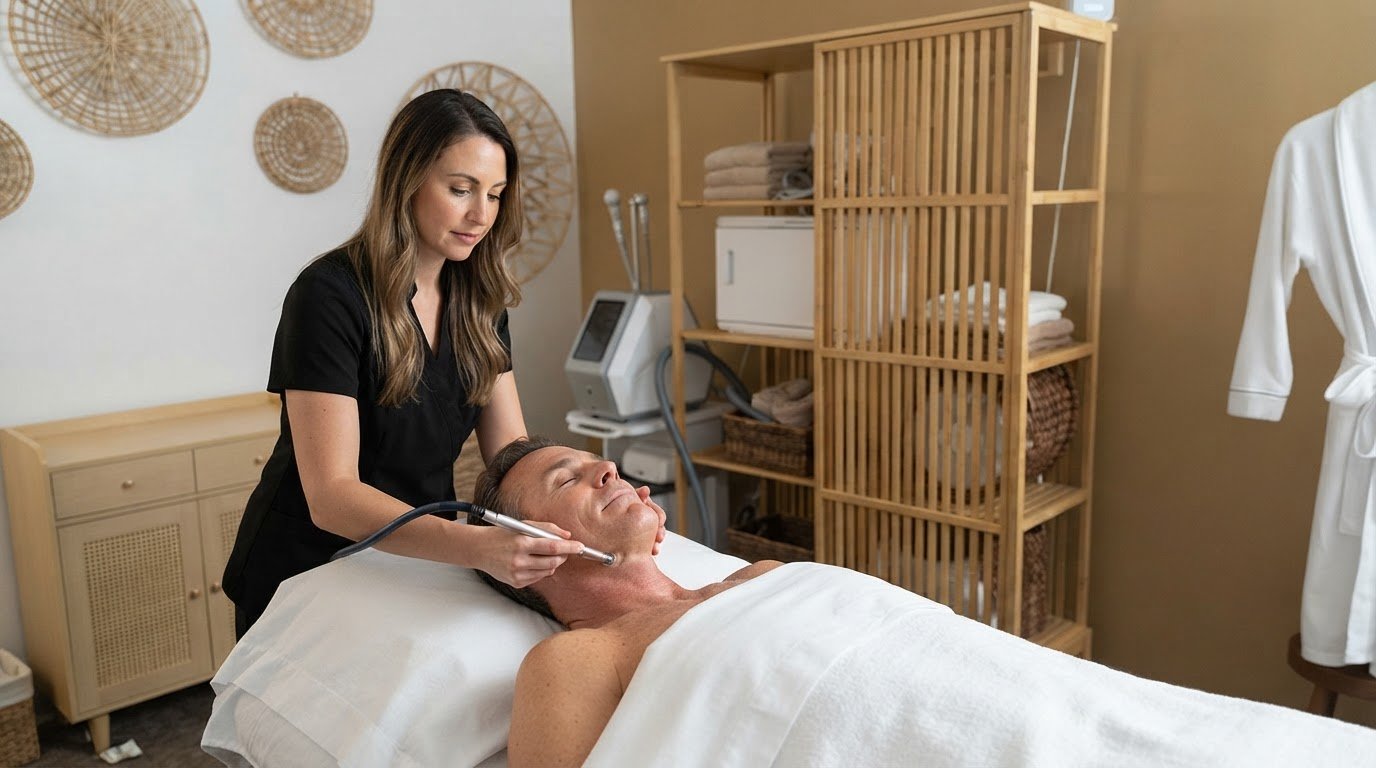
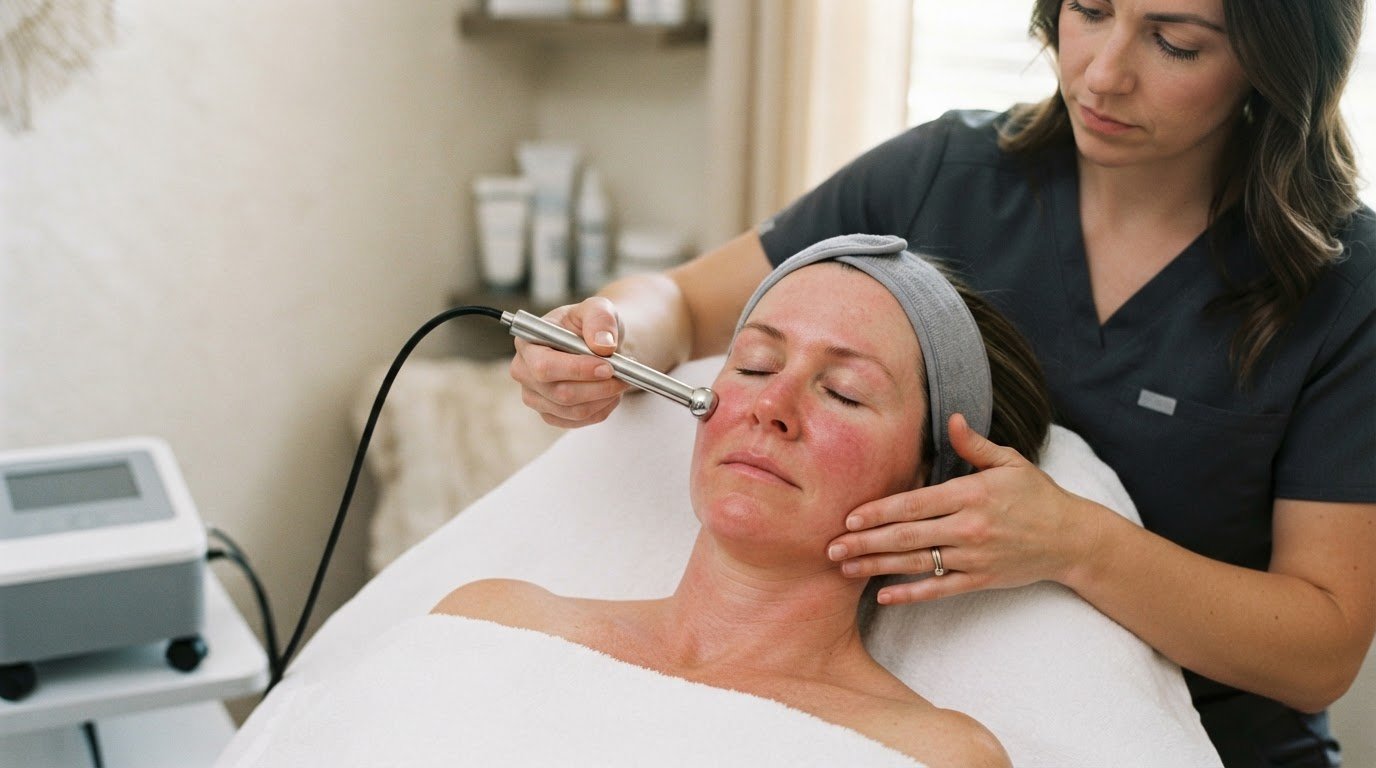
Contour Body Imaging offers Lumaray 360 red light therapy for people exploring treatments intended to support cellular repair and overall skin health. If you’re considering professional red light therapy, the next step is to discuss your goals and understand whether this option fits them. A routine for pain management may not be the same as one focused on skin, so be clear about the area and outcome you have in mind. Contour Body Imaging also offers other non-invasive wellness and skin treatments, including Endosphere and Cryo Facial, for different goals. Contact Contour Body Imaging to talk through your interests and possible next steps.
Choose a Routine That Fits Your Next Step
Base your next decision on your goal, not just the device. Consider how pain affects your daily life, which area you hope to address, and what would make a routine manageable. These priorities can help you discuss treatment and decide whether your approach still suits your needs.
Deciding how often you should do red light therapy is part of a broader question: how will you tell whether the routine fits your life? Keep your expectations practical, and pay attention to comfort and changes in everyday activities. If pain is disrupting your routine, a conversation about your goals can help you explore appropriate wellness options. Contour Body Imaging also offers Cryo T-Shock Body Contouring, Cryo Facial, and Endosphere for other wellness and skin-care interests.
A thoughtful next step can help you make informed, confident choices about your wellness routine.
Frequently Asked Questions
What Is Red Light Therapy?
Red light therapy, also called photobiomodulation, uses specific red or near-infrared wavelengths to expose a treatment area. Red wavelengths around 630-660 nm primarily reach surface tissue, while near-infrared wavelengths around 800-870 nm penetrate deeper toward muscles and joints. A device may use one range or combine wavelengths. The light’s color alone doesn’t reveal the device’s output or indicate how much exposure a particular area receives.
How Long Does It Take to See Results?
For skin tone, texture, and elasticity, visible improvements may appear after 3-4 weeks of consistent use. Fine lines, wrinkles, and blemishes may take several weeks to months to show visible changes. Pain and recovery goals don’t have one fixed timeline; the intended treatment area and routine matter. Give a routine 8 to 12 weeks before judging whether it’s helping, unless symptoms call for an earlier adjustment.
Session duration: what’s the ideal time?
A suitable session length depends on the device’s output, the distance between skin and device, and the treatment area. A skin-focused treatment and a larger area exposed to a home panel may require different timing. Follow the manufacturer’s directions for your device, and don’t extend a session just because the light feels comfortable. Keep distance and positioning steady so changes in exposure don’t complicate your routine.
The risk of overuse: is there such a thing as too much?
Yes. Excessive exposure can irritate skin, and high levels of red light can cause redness, swelling, or blistering. Daily use without breaks is discouraged beyond 2-3 weeks. If a reaction appears, pause treatment on that area and reassess the routine rather than adding exposure. Avoid using red light on sunburned or irritated skin. Seek medical advice for persistent or worsening symptoms, especially blistering.
How often should you use red light therapy for skin, pain, or recovery?
Schedules differ by goal. Skin rejuvenation commonly starts with 3 to 5 sessions weekly, while everyday aches are often treated 3 to 5 times weekly. Chronic or more severe pain may use 5 to 7 sessions weekly. Muscle recovery sessions are often scheduled after training or daily. These approaches aren’t interchangeable; consider the treatment area and the device’s directions when planning a routine.
How many red light therapy sessions per week are recommended?
For general use, 3 to 5 sessions per week is a commonly recommended range. Pain routines may begin daily, then decrease to 3 to 5 sessions weekly. Chronic or more severe pain schedules may reach 5 to 7 sessions per week. When sessions aren’t daily, spacing them by at least 24 hours is commonly advised. Avoid adding sessions simply because progress feels slow.
How long should each red light therapy session last?
Common session lengths range from 10 to 20 minutes per treatment area, though the goal and device affect timing. Skin-focused treatments commonly use 10 to 15 minutes per area, while everyday aches often use 15 to 20 minutes. Someone new to treatment may start with 5 minutes and observe their skin’s response. Use the device’s directions rather than applying one timing rule to every area.
How soon do results appear, and how long should you continue red light therapy?
Skin changes may become visible after 3-4 weeks, while improvements in fine lines or blemishes may take several weeks to months. Red light routines generally involve repeated sessions over weeks or months. Give a consistent routine 8 to 12 weeks before deciding whether it’s helping, unless you need to adjust sooner because of discomfort. Record your schedule and treatment area to assess changes more clearly.
Comments