

Lymphatic Compression Therapy in Plano: How It Works and What to Expect
If you’re searching for lymphatic compression therapy Plano, you may be wondering what the equipment does, how a session feels, and what results are realistic. At Contour Body Imaging, LymphaPress uses a full-body suit that applies air compression during a 45-minute session. It is offered as a wellness service to support circulation and the body’s natural processes, not as treatment for lymphedema or a replacement for clinical care.
This guide explains how compression works, what to expect before and during a session, and how to consider comfort and personal goals without expecting guaranteed results. You’ll also learn how a wellness session differs from clinical lymphedema care. Contour Body Imaging offers LymphaPress in Plano and serves clients seeking non-invasive wellness options in the area, with a separate location in The Woodlands, Texas.
Table of Contents
What Is Lymphatic Compression Therapy in Plano?
Lymphatic compression therapy is a wellness session in which equipment applies external pressure to the body. Its general purpose is to support fluid movement and circulation as part of a non-invasive wellness experience. At Contour Body Imaging in Plano, LymphaPress is the compression-based option within the clinic’s lymphatic drainage services.
The lymphatic system is a network that helps move fluid through the body. Compression does not “detox” the body, and fluid movement is not the same as losing fat or body weight. Understand a session within its stated wellness context, with sensations and experiences that can vary from person to person.
How compression supports a lymphatic wellness session
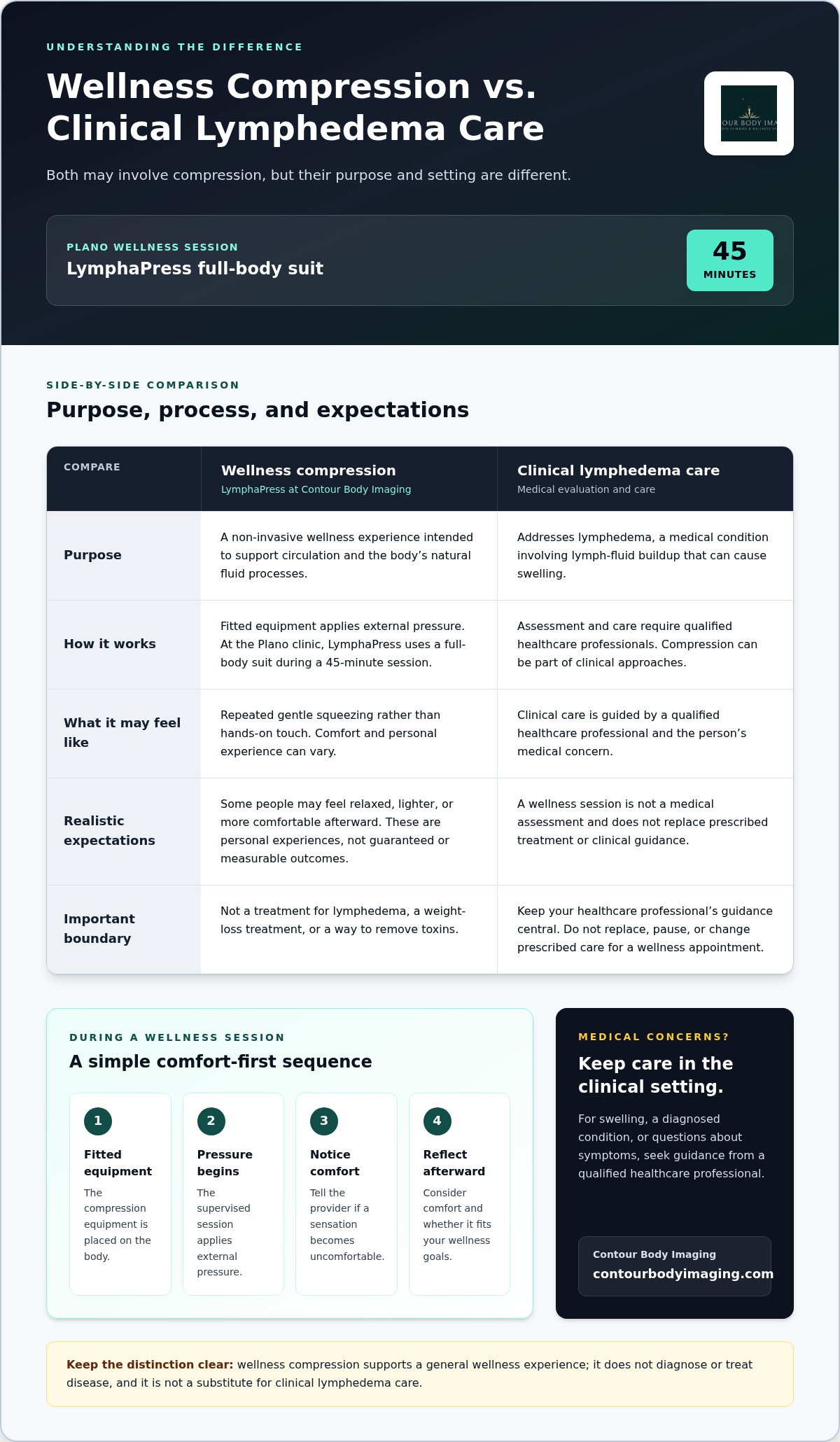
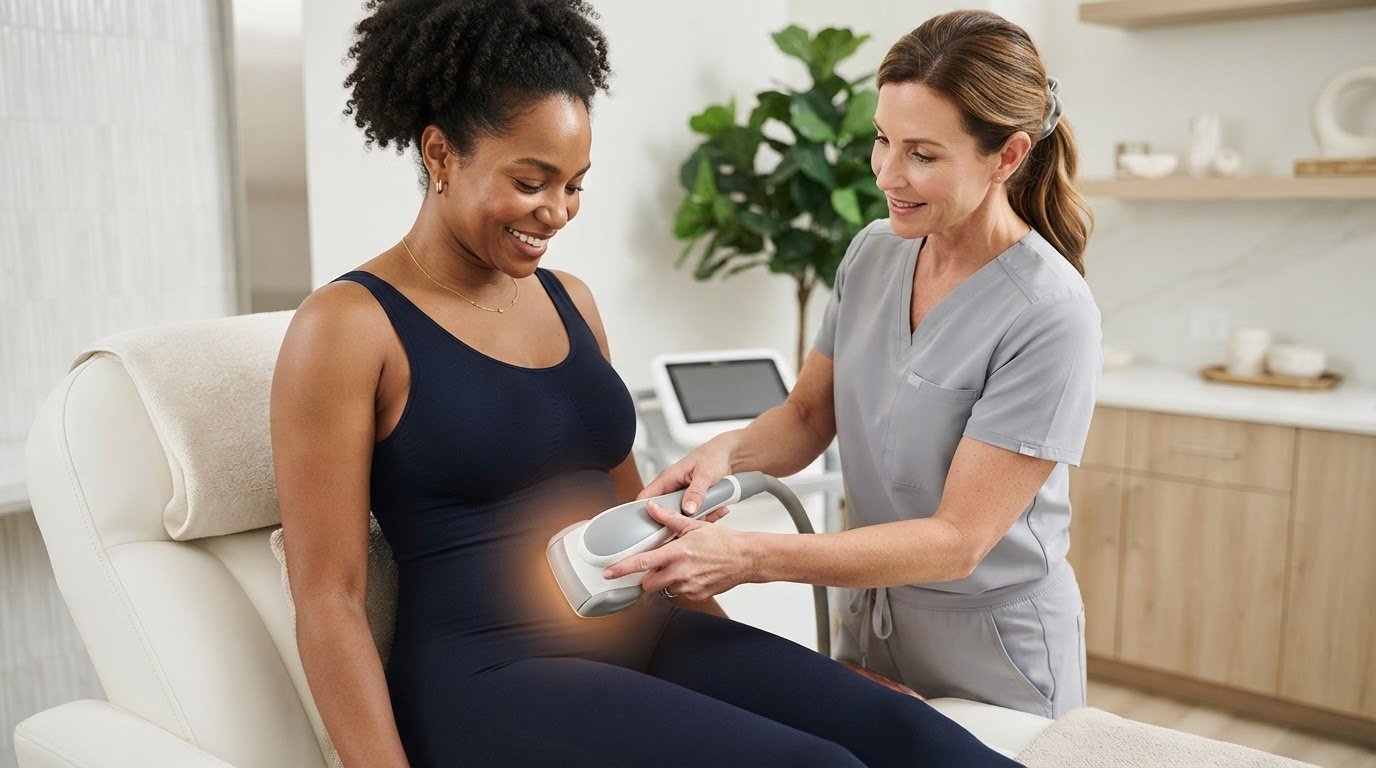
During a session, fitted compression equipment applies pressure externally. That creates a mechanical sensation, rather than the hands-on touch used in manual techniques. It may feel like a gentle squeeze and release, though comfort is personal. The aim is wellness support related to circulation and the body’s natural fluid processes, not diagnosing or treating a disease.
This distinction helps set realistic expectations. A compression session is not a weight-loss treatment or a way to remove toxins. If your goal involves a medical symptom or diagnosed condition, a wellness service is not a substitute for assessment and care from a healthcare professional.
Wellness support versus clinical lymphedema treatment
Lymphedema is a medical condition involving a buildup of lymph fluid, which can cause swelling. Its evaluation and care require qualified healthcare professionals. Although compression can be part of clinical approaches, a wellness session has a different purpose and does not take the place of prescribed treatment. The overview of Lymphedema and its treatments offers further background on the condition and care approaches.
If you’re receiving care for lymphedema or another health concern, keep your healthcare professional’s guidance central to your decisions. Don’t use a wellness appointment to replace, pause, or change prescribed care. Clear expectations help you choose the right kind of support for your needs.
For Plano readers exploring lymphatic compression therapy Plano, the key points are how a session works, what sensations to expect, and how to prepare. Compression differs from manual lymphatic drainage and Endosphere, so the approaches should not be treated as interchangeable. That context can help you decide whether a wellness session fits your goals, while keeping medical concerns in the appropriate clinical setting.
How Does Compression Therapy Work, and What Can You Realistically Expect?
Compression therapy uses fitted equipment to apply external pressure as part of a wellness session focused on supporting circulation and the body’s natural fluid processes. The equipment creates a squeezing sensation on the body, rather than relying on a therapist’s hands. At Contour Body Imaging, LymphaPress is the clinic’s compression-based wellness option.
What the compression process does
A session generally begins with fitted compression equipment placed on the body. During the supervised wellness session, the device applies pressure. The sensation may feel like repeated gentle squeezing, though people experience it differently. The purpose is wellness support, not diagnosing or treating a disease.
Think of the pressure as external support for fluid movement, not a way to melt fat, produce weight loss, or remove toxins. Those are different claims and shouldn’t be assumed from a compression session. If you’re exploring lymphatic compression therapy Plano, consider whether this type of wellness experience fits your comfort and goals without expecting a particular body change.
What results and sensations should readers understand?
Some people may describe feeling relaxed, lighter, or more comfortable after a session. Those experiences are personal and are not guaranteed or measurable outcomes. A temporary sensation should not be confused with lasting body changes or medical improvement. Your experience may differ from someone else’s, even when the same kind of equipment is used.
Comfort matters. Pressure can feel unfamiliar, so let the session provider know if a sensation becomes uncomfortable. You don’t need to silently tolerate discomfort to get value from the experience. Sharing what feels comfortable helps keep the session supportive and allows the experience to be approached with your needs in mind.
Keep health concerns in the right setting. If you have swelling, a diagnosed condition, or questions about symptoms, seek guidance from a qualified healthcare professional. A wellness session is not a medical assessment and does not replace care or instructions you’ve received. This is especially important if you’re considering compression because of a medical concern rather than for general wellness.
Before you arrive, set a simple expectation: you’re trying a wellness service, not signing up for a guaranteed result. Notice how the pressure feels, speak up if you’re uncomfortable, and reflect on your experience afterward. Avoid judging success only by the mirror or the scale. Comfort, personal preference, and whether the session fits your wellness goals are more grounded ways to assess the experience.
To learn about the clinic’s compression-based option, explore LymphaPress wellness sessions at Contour Body Imaging in Plano.
Compression Therapy, Manual Drainage, and Endosphere: How Do They Differ?
These approaches may all be discussed in connection with lymphatic wellness, but they use different methods. Comparing how each works helps clarify what a service involves without assuming the options are interchangeable or that one is right for every goal.
Compression-based sessions versus manual lymphatic drainage
The key difference is how pressure is applied. LymphaPress uses fitted equipment, while manual lymphatic drainage is performed by hand. These descriptions explain the general approach, not which method is more effective or suitable. If swelling is new, persistent, or related to a diagnosed condition, seek assessment from a qualified healthcare professional rather than relying on a wellness-service comparison.
For a closer look at how the two device-based options differ, explore Endosphere vs LymphaPress therapy. Understanding the methods can help you describe your preferences and goals, but it cannot determine or treat a medical condition.
Where Endosphere fits in the comparison
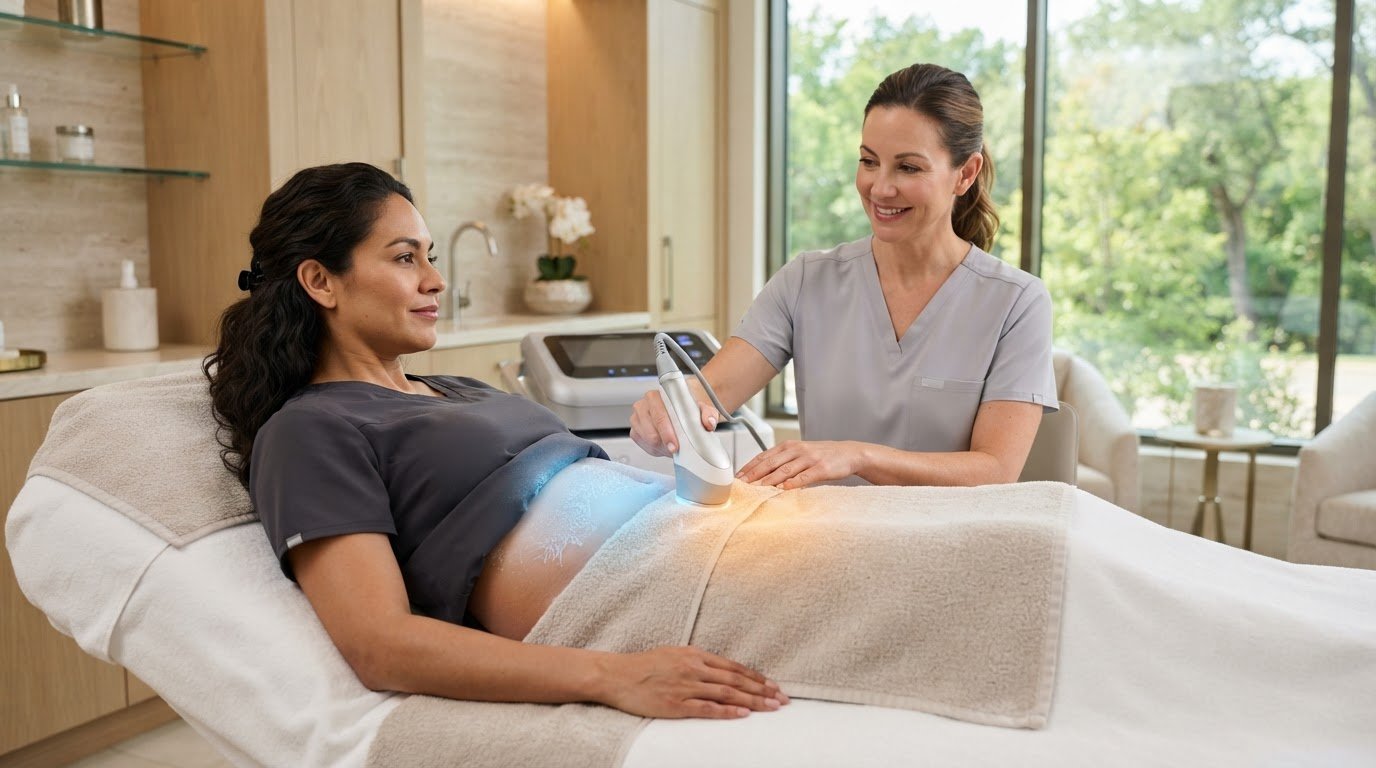
Endosphere is separate from LymphaPress. It uses compressive microvibration rather than fitted equipment applying compression. Contour Body Imaging offers it as a distinct lymphatic and body-sculpting service. The difference is in the method and wellness context, not proof that one option delivers better results. A separate overview of Endosphere therapy can help explain what that service involves.
Shared phrases like “lymphatic support” do not make these options equivalent medical treatments or guarantee the same sensations and outcomes. For anyone researching lymphatic compression therapy Plano, compare the experience itself: device-applied pressure, hands-on technique, or compressive microvibration. Then consider whether your interest is general wellness or a medical concern. For symptoms or diagnosed lymphedema, keep decisions about care with a qualified healthcare professional.
How to Prepare for a Plano Compression Therapy Session
A little preparation can make a first compression session feel more comfortable and predictable. Focus on communicating clearly, following the clinic’s instructions, and keeping wellness goals separate from medical concerns. If you’re considering lymphatic compression therapy Plano, use these steps as a simple guide, not as a treatment protocol.
Before your appointment
Think about what you’d like to know and what helps you feel at ease. Share relevant health context and comfort preferences with the practitioner so they understand what matters to you. Follow the clinic’s directions for clothing and arrival preparation. Don’t assume that fasting, extra hydration, medication changes, or exercise are required. Use the instructions provided for your session.
Review the session instructions. Follow the clinic’s guidance for what to wear and how to prepare, rather than relying on general tips from elsewhere.
Share relevant context. Mention health concerns or circumstances that may affect your comfort, and explain any preferences about pressure or how you’d like the session to feel.
Set a realistic goal. Decide what you hope to experience, such as trying a compression-based wellness service, without expecting a specific or guaranteed body change.
During and after the session
As the fitted equipment applies pressure, pay attention to how it feels. Let the practitioner know if the pressure becomes uncomfortable or if you need to pause and discuss your comfort. Speaking up is a normal part of a supportive session. There’s no need to push through a sensation that doesn’t feel right to you.
People can respond differently. You may feel relaxed or notice a temporary sense of lightness, but neither experience is guaranteed or evidence of lasting change. Consider your comfort and how the session felt, rather than measuring success by an assumed visible result.
Safety comes first: New, severe, or unexplained swelling warrants medical advice before a wellness treatment. Persistent or otherwise concerning swelling should also be discussed with a qualified healthcare professional. A wellness session is not a diagnostic assessment and does not replace clinical guidance or prescribed care.
Keep your appointment focused on general wellness. If you have a medical question, seek clinical guidance rather than treating a compression session as a way to assess or manage symptoms. Clear communication about your comfort and relevant health context helps you approach the experience with realistic expectations.
Explore Lymphatic Compression Therapy at Contour Body Imaging in Plano
If you’re looking for a compression-based wellness option in Plano, Contour Body Imaging offers LymphaPress as part of its lymphatic drainage services. The service is intended to support circulation, fluid-retention concerns, and the body’s natural processes. It is a wellness experience, not a promise to resolve a symptom or produce a specific physical result.
What to know about the clinic's LymphaPress service
LymphaPress uses fitted compression equipment to apply external pressure during a session. That distinguishes it from hands-on techniques and from Endosphere, which is offered separately. Knowing the general approach can help you decide whether a device-based session sounds comfortable and relevant to your wellness interests. Your experience may vary, and no particular outcome is guaranteed.
Consider what brings you to the service. Are you exploring general wellness support related to circulation or fluid retention, or are you trying to understand a new or persistent swelling concern? The first is a wellness interest; the second deserves appropriate medical guidance. Keeping that distinction clear helps you choose your next step thoughtfully.
Choose a next step that fits your goals
Before exploring a session, name your goal and any comfort preferences. If you’re curious about a wellness service and understand its limits, learn more about the clinic’s LymphaPress offering and what to expect. If your interest is driven by a diagnosed condition, new swelling, or symptoms that concern you, speak with a qualified healthcare professional about assessment and care.
Lymphatic compression therapy Plano can refer to different kinds of support. Focus on the purpose: a wellness service is not clinical lymphedema care, and it should not replace medical advice, prescribed treatment, or an evaluation of symptoms. Share relevant health context and comfort preferences as part of approaching any wellness session with realistic expectations.
Contour Body Imaging also offers Endosphere as a separate service at its Plano location. Clients in Plano and The Woodlands can explore the clinic’s distinct wellness approaches without treating them as interchangeable. The right next step depends on whether you’re seeking general wellness support or guidance for a medical concern. There’s no need to rush a decision; start with clear information about the service and your own goals.
Explore LymphaPress at Contour Body Imaging to learn more about this compression-based wellness option in Plano.
Choose a Wellness Next Step That Feels Right
Your next step can be simple: decide whether you’re curious about a device-based wellness experience or whether a health concern needs medical attention first. If swelling is new, persistent, or unexplained, seek guidance from a qualified healthcare professional before considering a wellness service. That distinction helps you make a choice with care and realistic expectations.
For readers exploring lymphatic compression therapy Plano, Contour Body Imaging offers LymphaPress as a lymphatic drainage service, alongside Endosphere as a separate service. Explore the options at your own pace and focus on what fits your wellness interests, without expecting a guaranteed result.
Ready to learn more? Explore LymphaPress at Contour Body Imaging in Plano and find out whether a compression-based wellness session fits your goals.
Frequently Asked Questions
Is lymphatic compression therapy the same as lymphedema treatment?
No. A wellness compression session and clinical lymphedema care have different purposes, even though both may involve compression. A wellness appointment isn’t designed to diagnose lymphedema or manage its complications, so don’t use it to replace a treatment plan. If a clinician has diagnosed you, consult them before changing your care. This distinction matters whether you’re exploring wellness options in Plano or at the clinic’s separate location in The Woodlands.
Can compression therapy help with fluid retention?
It may be offered as wellness support for circulation and fluid-retention concerns, but individual responses vary and a particular change isn’t guaranteed. It also can’t establish why fluid retention is happening. If swelling is new, persistent, or unexplained, seek medical advice rather than relying on a wellness session to assess it. Keep expectations grounded in the service’s wellness purpose, not a promise to resolve symptoms.
How often should you have lymphatic compression therapy?
There isn’t one schedule that suits everyone, and this FAQ can’t set a personal treatment frequency. Your goals, comfort, and individual circumstances matter, so follow the guidance provided for your wellness sessions rather than copying a routine found online. If you’re considering compression because of a medical diagnosis or ongoing swelling, ask your healthcare professional about appropriate care instead of using a wellness schedule as a substitute.
Does lymphatic compression therapy hurt?
People can experience pressure differently, so it’s not possible to promise that every session will feel the same. If the sensation feels painful or uncomfortable, tell the practitioner promptly rather than trying to tolerate it in silence. Describe what you’re feeling and ask to discuss your comfort. A wellness session should feel like a choice you can communicate about, not something you have to push through.
What should I wear to a compression therapy appointment?
Follow the clinic’s appointment instructions for clothing and preparation, since those directions are the best guide for your visit. Review them beforehand for any details about what to wear or bring, and avoid assuming that a particular outfit or garment is required. If an instruction is unclear, clarify it with the clinic before your appointment so you can arrive feeling prepared.
Can lymphatic compression therapy replace medical care for swelling?
No. A wellness session isn’t a medical assessment or a replacement for care recommended by a healthcare professional. If swelling is severe, newly developed, unexplained, persistent, or linked to a diagnosed condition, seek appropriate medical guidance. This is especially important if you’re considering compression because of symptoms. Keep prescribed care in place unless your healthcare professional advises otherwise, and treat wellness services as separate from clinical decisions.

Comments