

How to Use a Cryo Facial for Under-Eye Dark Circles
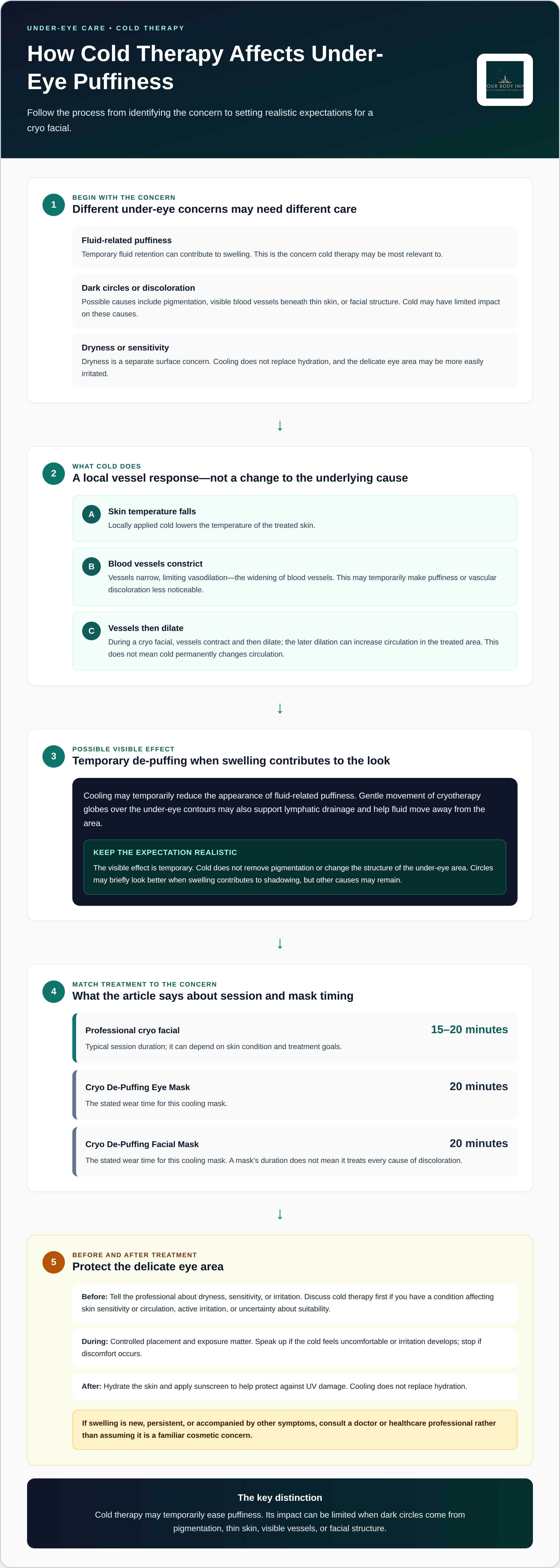
Cold may temporarily ease under-eye puffiness, but it won’t address every cause of dark circles. A cryo facial for dark circles uses controlled cold to constrict blood vessels and may make swelling look less noticeable; a professional session typically lasts about 15-20 minutes, depending on your skin condition and treatment goals.
If your under-eye shadows come from thin skin, pigmentation, or facial structure rather than fluid-related puffiness, a cryo facial for dark circles may have limited impact. That distinction matters when choosing care for the delicate eye area. This guide explains what a cryo facial is, how cold affects blood vessels, what to expect from a professional session, and why puffiness, dark circles, and dryness may call for different approaches, helping you make a more informed treatment choice.
Table of Contents
How puffiness, dark circles, and dryness may need different care
Identify the concern before choosing cold therapy. Under-eye puffiness often reflects temporary fluid retention, while dark circles can have different causes, including visible blood vessels beneath thin skin. Dryness is a separate surface concern. A professional assessment should distinguish swelling from discoloration and flaky or tight skin, because a cooling step may temporarily ease puffiness without correcting every cause of dark circles.
Use cryotherapy globes for a brief, targeted de-puffing effect. Cooling the skin constricts local blood vessels and may help reduce the appearance of fluid-related puffiness. Gentle movement over the under-eye contours can also support lymphatic drainage, which may help fluid move away from the area. These effects are temporary; globes won’t remove pigmentation or change the structure of the under-eye area.
Set realistic expectations for circles and inflammation. Cold may calm visible swelling and inflammation, making the eye area look fresher while puffiness settles. It may also briefly improve the appearance of circles when swelling contributes to shadowing. However, circles caused by pigmentation or visible vessels may remain. For a cryo facial for dark circles, the main question is whether puffiness is contributing to the appearance you want to address.
Match masks to the concern, not the name alone. A Cryo De-Puffing Eye Mask is worn for 20 minutes, and a Cryo De-Puffing Facial Mask is also worn for 20 minutes. These cooling masks may soothe and refresh the area, but their duration doesn’t mean they treat every cause of discoloration. A professional can consider whether a mask suits your skin and how it fits with other treatment steps.
Keep dryness and eye-area sensitivity in the plan. Cooling doesn’t replace hydration. After a cryo facial, hydrate the skin and apply sunscreen to help protect against UV damage. The eye area is delicate, so tell the professional about dryness, sensitivity, or irritation before treatment. The key risk is excessive or poorly directed cold, which may irritate delicate skin; controlled placement and exposure matter. Stop if discomfort develops.
Discuss health concerns before proceeding. If you have a condition affecting skin sensitivity or circulation, active irritation, or uncertainty about whether cold therapy is suitable, consult a doctor or healthcare professional first. They can help assess whether cryotherapy is appropriate for you. This conversation is especially useful when swelling is new, persistent, or accompanied by other symptoms, rather than a familiar cosmetic concern.
Cold therapy and blood vessel constriction
Understand the first response to cold. When cold reaches the skin, its local temperature falls and blood vessels constrict, or narrow. This response can limit vasodilation, the widening of blood vessels. Around the eyes, reduced vessel dilation may temporarily make puffiness or vascular discoloration less noticeable. This affects the skin’s appearance, not the underlying cause.
Recognize the two-stage vessel response. During a cryo facial, cold prompts blood vessels to contract and then dilate. The later dilation can increase circulation in the treated area. This sequence helps explain why skin may look refreshed after treatment, but it doesn’t mean cold permanently changes circulation. The visible response depends on the concern being treated, such as fluid-related swelling or shadows from visible vessels.
Relate constriction to under-eye puffiness. Cold temperatures constrict blood vessels, which may temporarily reduce the appearance of under-eye bags and puffiness. This effect is most relevant when swelling contributes to a tired appearance. It doesn’t address every cause of dark circles or create a lasting change to facial structure. A professional considers your concern before applying cold near the eyes.
Keep the treatment focused on skin appearance. The blood-vessel response may help the treated area look smoother and less congested for a time. It cannot ensure that dark circles disappear, especially when pigmentation or thin skin contributes to their appearance. During a professional session, the practitioner controls where cold is applied and considers the delicate under-eye area rather than treating all facial concerns as identical.
Use the mechanism to set realistic expectations. Before treatment, describe whether your main concern is swelling, visible discoloration, or uneven-looking skin. For example, temporary vessel constriction may be relevant if morning puffiness is your main concern. If circles remain after swelling settles, another cause may be involved. This distinction helps match the treatment plan to what cold therapy can visibly address.
Notice how your skin responds during treatment. A professional can adjust the application to the treatment area and your skin’s response. Speak up promptly if the cold feels uncomfortable or your skin becomes unusually irritated. The aim is controlled treatment, not the strongest possible cooling sensation. Afterward, assess your appearance once the immediate cooling response has settled, rather than expecting vessel constriction to resolve every under-eye concern.
In practical terms, locally applied cold lowers skin temperature, inhibits vasodilation, and encourages vasoconstriction. These are connected parts of the local response, not evidence that the underlying cause of puffiness or discoloration has been removed.
Cryo facial session steps and duration
A professional cryo facial for dark circles typically takes about 15-20 minutes, depending on skin condition and treatment goals. Any visible change is temporary; a series is often recommended initially for more lasting results, though the number of sessions depends on the concern being treated.
Share your main concern before treatment begins. Explain whether you’re focused on under-eye puffiness, visible discoloration, or overall skin appearance. These concerns can have different causes, so sharing your priorities helps the professional tailor the cosmetic treatment. Mention dryness or sensitivity, too, since the delicate under-eye area may need careful handling.
Arrive with clean skin or allow time for cleansing. Remove makeup and skincare products before a cryo facial. Clean skin lets the professional assess the area and apply treatment evenly. If you arrive wearing foundation or eye cream, cleansing is the first practical step before cooling begins.
Confirm the treatment area and cooling method. Cryo-facial methods can differ. One approach uses a stream of vaporized liquid nitrogen across the chin, nose, cheeks, and forehead. A professional session should account for your specific goal and the delicate skin around the eyes, rather than assuming every method or treatment area suits every person.
Let the professional guide the application. During treatment, the practitioner controls the device’s movement and exposure. One described technique uses gentle, light pressure and outward, upward gliding. Home-device instructions aren’t a substitute for professional care. Tell the practitioner if the temperature feels uncomfortable or your skin becomes irritated.
Keep separate treatment timings clear. A cryo facial session generally lasts 15-20 minutes. That is different from a Cryo De-Puffing Facial Mask, which is worn for 20 minutes, or an at-home cryo facial set described for up to 5 minutes per session. These timings refer to different methods, not interchangeable stages of one professional session.
Plan around your response and goals. Ask the professional to explain how the treatment plan relates to your specific concern. A visible change from cooling is temporary, while persistent discoloration may have causes that cold therapy doesn’t address. A series of treatments may be recommended for more lasting results, but the schedule depends on your skin and goals.
Follow simple aftercare. Hydrate your skin after a cryo facial and apply sunscreen to help protect against UV damage. These steps support general skin care after treatment; they don’t make a temporary cooling effect permanent. Keep the focus on comfort, your skin’s response, and a plan suited to your under-eye concern.
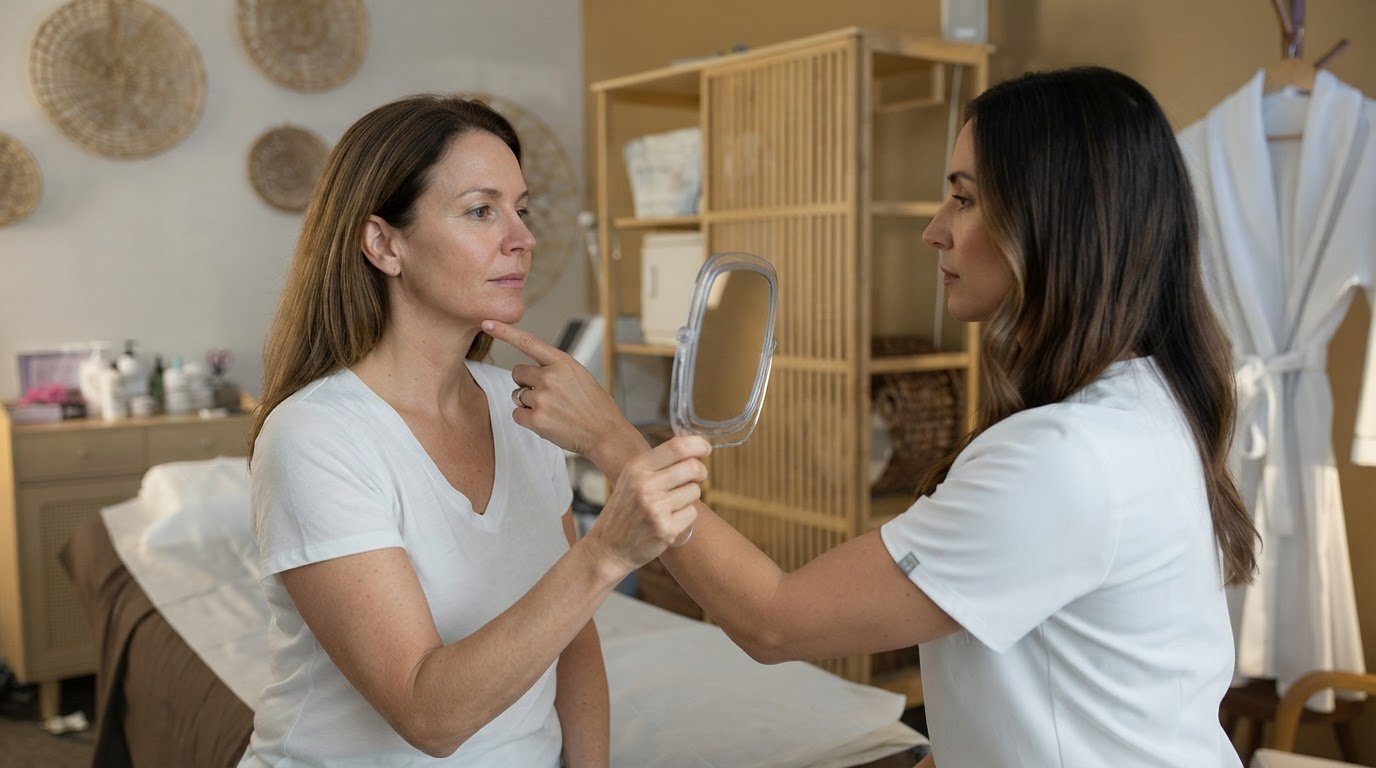
Cryo facial treatment for under-eye dark circles
Choose treatment according to the appearance you want to address. A cryo facial applies cold to treated tissue and may temporarily refresh the under-eye area. Eye creams are topical products, while laser treatments and fillers are different cosmetic approaches. They aren’t interchangeable: the right choice depends on whether your concern is puffiness, visible discoloration, or skin texture.
Explain your concern before the professional begins. Describe whether circles look more noticeable with morning puffiness, appear consistently, or come with dry-looking skin. These details help the practitioner focus on your visible concern rather than treating all dark circles alike. Cold treatment is most relevant when temporary swelling contributes to the appearance.
Keep the goal focused on a temporary visual change. Cold applied to the skin can have draining, decongestant, and firming effects. By boosting circulation, it may help transport oxygen and nutrients to treated tissue. This response can support a fresher appearance, but it doesn’t remove every cause of dark circles or permanently change the under-eye area.
Ask how the application addresses your skin concern. Cryo facials are also described as prompting collagen production, which may smooth and plump skin. This is a different potential benefit from reducing fluid-related puffiness. Ask the practitioner to explain which effect the planned application targets, especially if your main concern is texture rather than swelling.
Compare approaches by their purpose, not their promises. A topical eye cream is applied to the skin; cryotherapy uses controlled cold during a professional treatment. Laser treatments and fillers use different cosmetic methods, and their suitability depends on the concern and treatment plan. A professional assessment can help distinguish these goals without assuming one option addresses every cause.
Set expectations before beginning a treatment series. Cryo facials may be recommended as a series for more lasting results. The appearance of circles can still reflect factors cold therapy doesn’t address, such as visible blood vessels beneath thin skin. Discuss the changes you hope to see and how progress will be assessed between sessions.
Protect the skin after the session. Hydrate the treated area and apply sunscreen to help protect against UV damage. These steps support skin care after cooling; they don’t guarantee dark circles will disappear. If dryness is prominent, mention it before treatment so the practitioner can consider it alongside puffiness and discoloration.
What causes dark circles, and which causes can cryotherapy address?
Notice whether swelling changes the appearance. Under-eye circles can look more pronounced when puffiness creates shadows. Cold temperatures constrict blood vessels and may temporarily reduce the appearance of bags and swelling. If the area looks less shadowed as puffiness settles, fluid-related swelling may contribute. A cryo facial can address that temporary appearance, but it doesn’t establish the underlying cause.
Consider visible vessels beneath thin skin. Blood vessels showing through thin under-eye skin can cause dark circles. They may create a darker or bluish appearance even without puffiness. Cryotherapy may briefly refresh the area through its effects on circulation, but it doesn’t remove visible vessels or change skin thickness. This distinction helps set a realistic treatment goal.
Separate discoloration from fluid-related shadows. Pigmentation and structural shadows can look similar to circles linked with swelling, but they’re different concerns. Cooling may help when puffiness contributes to the appearance; it doesn’t erase pigmentation or alter facial structure. During a professional assessment, describe when the darkness is most noticeable and whether swelling changes with it.
Track the pattern before choosing treatment. Notice whether the area looks different after waking, later in the day, or when puffiness is absent. These observations can help distinguish a changing, swelling-related appearance from discoloration that remains consistent. Share the pattern with the practitioner to provide useful context for deciding whether cold therapy aligns with your main concern.
Match the treatment goal to what cold can do. Cryotherapy promotes lymphatic drainage and may reduce fluid retention that causes puffiness. Cold can also have temporary decongestant and firming effects. These responses may make the under-eye area look fresher, but they don’t address every cause of dark circles. Expect a possible temporary change in appearance, not a permanent correction.
Discuss persistent or changing concerns. If circles remain after swelling settles, explain that clearly during your consultation. A professional can consider whether visible vessels, discoloration, or another appearance factor better matches your concern. If the darkness or swelling is new, persistent, or accompanied by other symptoms, consult a healthcare professional rather than treating it solely as a cosmetic issue.
Another part of the response is the sequence in the treated area: cryo facials cause blood vessels to contract and then dilate, increasing local circulation. This describes a circulation response, not removal of visible vessels or a change in thin skin. Cryo facials also cause pores to constrict, making them tighter and smaller. These responses don’t establish why dark circles are present or show that pigmentation or structural shadows have changed.
When considering treatment, distinguish expected changes in appearance from the underlying cause. Cold may be relevant when swelling contributes, but it doesn’t erase pigmentation or alter facial structure. Because suitability depends on your individual concern, consult a doctor or healthcare professional about whether cryotherapy is appropriate. Share whether puffiness changes the appearance and explain what you hope to address.
Contour Body Imaging: Cryo Facial
Contour Body Imaging offers Cryo Facial services for people seeking professional care for under-eye puffiness and skin refreshment in The Woodlands, Texas, and Dallas, Texas. It may suit you if temporary swelling is a main concern and you understand that cold therapy may not address every cause of dark circles. Share whether you’re focused on puffiness, visible discoloration, or dryness so the treatment conversation can center on your goals. For dryness or other skin concerns, Repêchage® facials are another facial-care option. Discuss your under-eye concerns and what you hope to address through treatment.
Contact Contour Body Imaging to discuss your Cryo Facial goals.
Choose a next step that fits your skin goals
Let your main concern guide the conversation instead of treating every under-eye shadow alike. If you’re considering a cryo facial for dark circles, explain what you want to address and mention any sensitivity or dryness to the practitioner. This gives the treatment discussion a practical starting point and helps set expectations around your goals.
Contour Body Imaging offers Cryo Facial services for clients exploring professional cold therapy in The Woodlands, Texas, and Dallas, Texas. A consultation can help you decide whether this approach aligns with your concerns and what you’d like to prioritize in your skincare routine.
Take the next step at your own pace. A thoughtful plan can help you feel more confident about caring for the delicate skin around your eyes.
Frequently Asked Questions
What is a cryo-facial?
A cryo facial is a cosmetic treatment that applies cold to facial skin. One described method moves vaporized liquid nitrogen across areas such as the chin, nose, cheeks, and forehead. The precise application depends on the treatment. For under-eye concerns, the practitioner should account for the delicate skin around the eyes and explain which areas will be treated before starting.
Can a cryo facial reduce dark circles under the eyes?
A cryo facial may temporarily soften the appearance of circles when fluid-related puffiness contributes to shadowing. It won’t address every cause, such as pigmentation or visible blood vessels beneath thin skin. If your circles look unchanged after swelling settles, tell the practitioner; that detail can help clarify whether a cooling treatment aligns with your main concern.
How does a cryo facial work for under-eye dark circles?
Cold temporarily constricts blood vessels in the treated area, which may make swelling and under-eye bags less noticeable. The body’s response also includes vessel dilation, increasing local circulation. These changes can refresh the area’s appearance, but they don’t permanently alter skin thickness or remove pigmentation. The likely effect depends on whether puffiness contributes to the darkness.
What evidence supports cryo facials for dark circles?
The rationale is based on cold’s local effects: blood vessels constrict, circulation changes, and fluid-related puffiness may become less visible. These responses explain why the under-eye area can look temporarily refreshed after treatment. They don’t show that cryotherapy corrects every cause of circles or produces the same visible change for everyone. A realistic expectation is a possible short-term appearance benefit when swelling plays a role.
What should I expect before, during, and after an under-eye cryo facial?
Before treatment, arrive with makeup and skincare products removed, or allow the practitioner to cleanse your skin. A session generally takes about 15-20 minutes, depending on skin condition and goals. During application, speak up if the cold feels uncomfortable. Afterward, hydrate your skin and apply sunscreen. Tell the practitioner about dryness or sensitivity so they can consider it during your treatment planning.
Comments