

CoolSculpting and Cryo T-Shock in The Woodlands
CoolSculpting results develop gradually. Some people notice changes as soon as three weeks after treatment, while fuller results may take about 3-6 months. If you’re weighing CoolSculpting, that timeline can help set expectations from the start.
Before deciding, it’s natural to want to know what CoolSculpting involves, which areas it can address, and what recovery may feel like. This guide explains cryolipolysis, potential treatment areas, and temporary side effects.
You’ll also learn how non-invasive alternatives may suit different goals, including when a body-contouring treatment may not match what you’re looking for. Understanding CoolSculpting and other options can help you choose a useful next step.
Table of Contents
Treatment areas
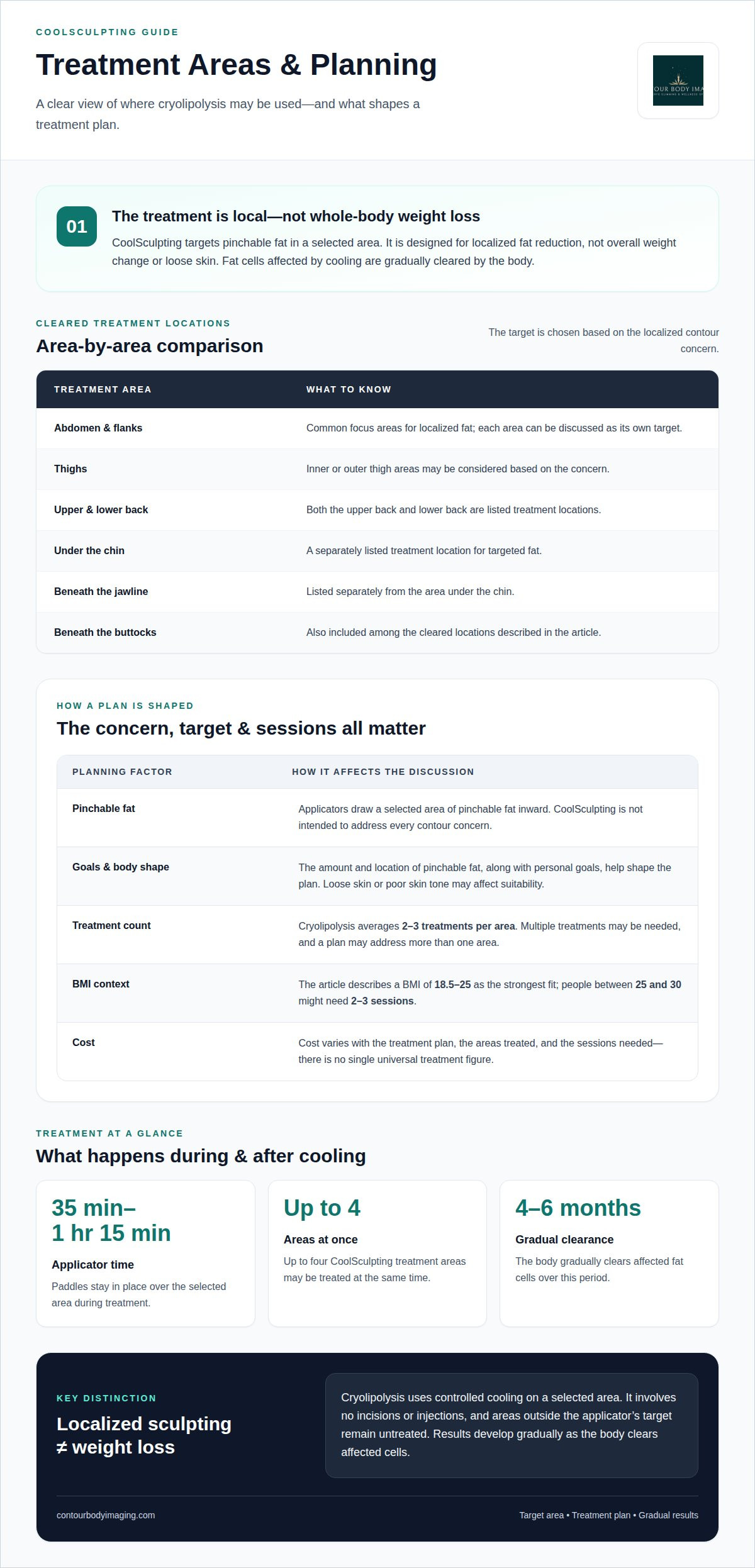
CoolSculpting is cleared to treat visible fat in specific areas: the abdomen, flanks, thighs, upper and lower back, under the chin, beneath the jawline, and beneath the buttocks. It targets localized fat, not overall weight or loose skin. For example, someone concerned about stubborn fat at the flanks would discuss that area separately from the abdomen.
Area selection matters because CoolSculpting applicators target pinchable fat, rather than every contour concern. According to the U.S. Food and Drug Administration, a targeted area is drawn into an applicator and cooled for up to an hour. Cooling affects fat cells, which the body gradually clears over four to six months. This nonsurgical procedure involves no incisions or injections.
Abdomen and flanks: Common focus areas for localized fat.
Thighs: Inner or outer thigh areas may be considered based on the concern.
Back: Treatment locations include both the upper and lower back.
Under the chin and jawline: These are separate listed treatment locations.
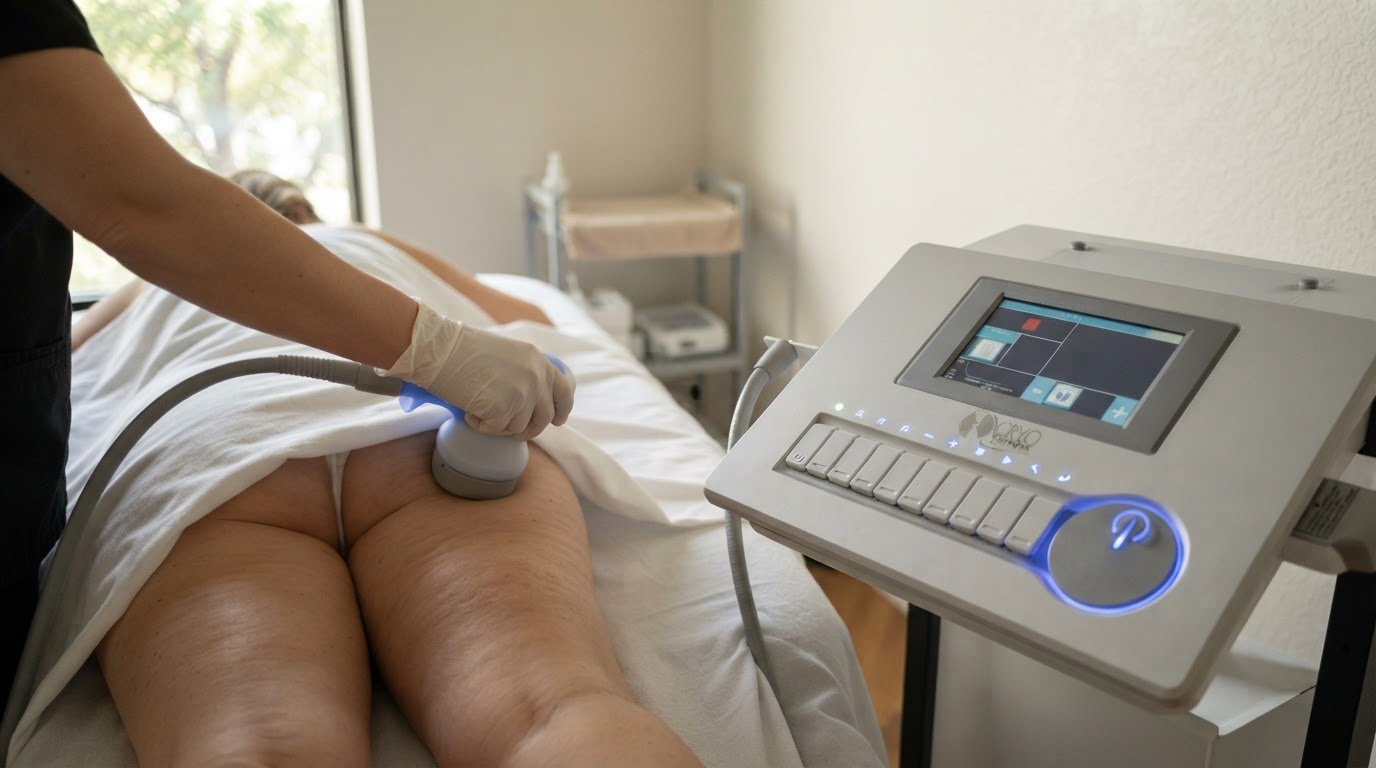
Beneath the buttocks: This area is also included among cleared locations.
A personalized plan starts by identifying the contour concern and matching it to a treatable area. The amount and location of pinchable fat, along with the person’s goals, shape the discussion. Multiple treatments may be needed to reach a desired result, and a plan can address more than one area. A consultation can review these factors and explain what to expect for each target site.
Cost varies with the treatment plan, the areas treated, and the sessions needed. A plan for the abdomen and thighs may differ from one focused on a single area. The session count also affects the plan: cryolipolysis averages two to three treatments per area. The estimate depends on the selected areas and sessions, rather than a universal treatment figure.
Consider whether your goal is localized sculpting or broader weight change. CoolSculpting is designed for targeted fat reduction, not weight loss. People with a BMI between 18.5 and 25 are described as having the strongest fit, while those between 25 and 30 might need two or three sessions. Loose skin or poor skin tone may also affect suitability. These factors help align expectations with the concern being addressed.
Sessions are typically hour-long, with up to 4 CoolSculpting treatment areas treated at the same time. The U.S. Food and Drug Administration says pinchable fat is drawn into an applicator and cooled for up to an hour. The body gradually eliminates injured fat cells over four to six months; more than 450,000 cryolipolysis procedures and more than 4 million CoolSculpting procedures have been performed worldwide.
How cryolipolysis works
Cryolipolysis uses controlled cooling to target fat cells in a selected area. Knowing the steps helps explain how this non-surgical approach differs from surgery.
Cryolipolysis Process
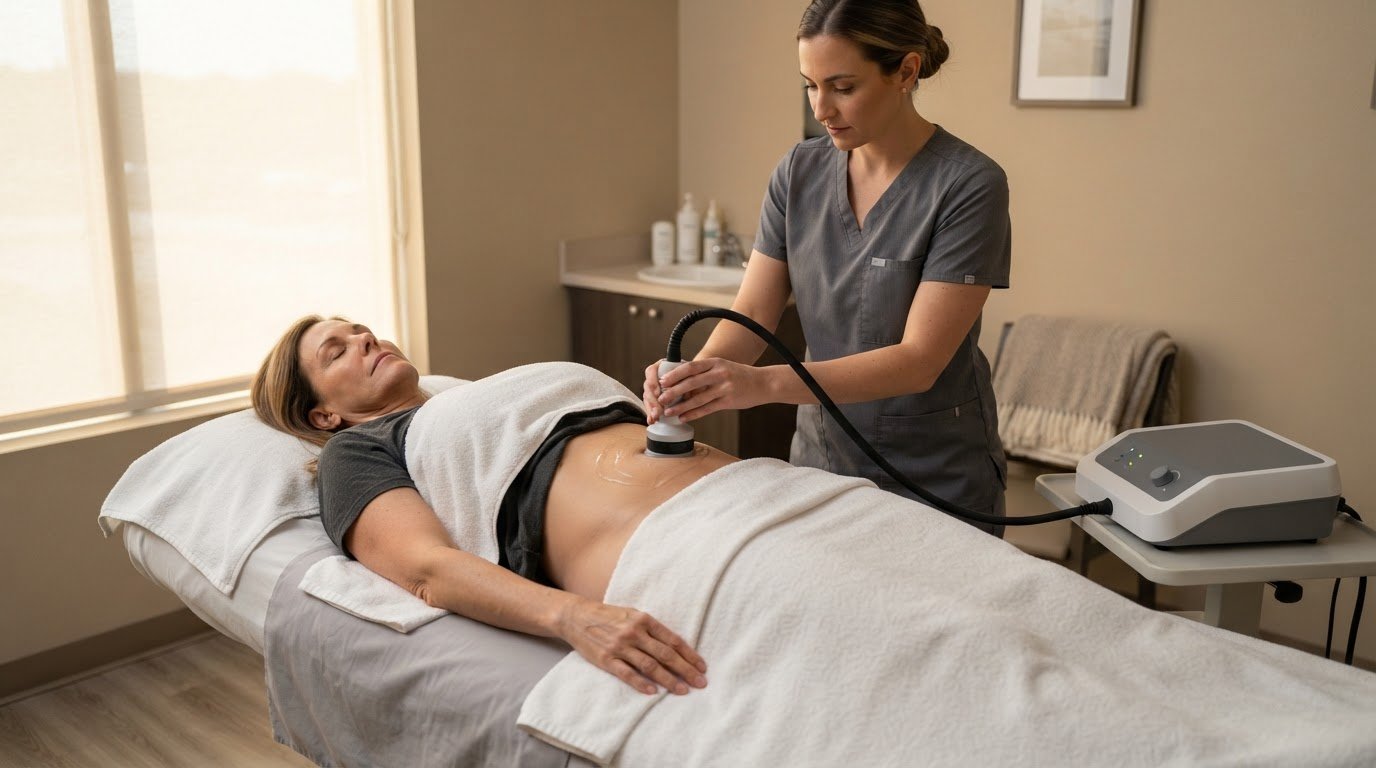
According to the U.S. Food and Drug Administration, an applicator draws a targeted area of pinchable fat inward and cools it for up to an hour. The cold injures fat cells in that specific area. The body gradually clears those cells after treatment, rather than having them surgically removed during the appointment.
The area can become numb within minutes as the applicator cools it. During the procedure, about 20%-25% of fat cells in the targeted area are destroyed. That figure describes a local effect, not a change across the whole body. Cooling one abdominal area, for example, doesn’t mean nearby areas receive the same treatment.
CoolSculpting Treatment Process
A CoolSculpting procedure applies cryolipolysis using paddles placed over the selected area. The paddles stay in place for 35 minutes to 1 hour and 15 minutes during treatment. The procedure is performed without anesthesia, incisions, or injections, which distinguishes it from surgical fat removal.
Applicator placement matters: it must match the chosen target. This approach is suited to pinchable fat, while a broader concern may call for a different plan. When considering CoolSculpting, focus on the area being treated and what localized reduction means for your goals, not general weight loss.
Cryolipolysis was approved by the FDA in 2010. Its purpose is targeted fat reduction, not weight loss or a substitute for healthy habits. The procedure affects selected fat cells, while areas outside the applicator’s target remain untreated. This distinction helps separate localized sculpting from changes in overall body weight.
Cooling starts the process, but visible changes develop afterward as the body clears affected cells. The treatment’s result isn’t immediate. If you’re comparing CoolSculpting with surgery, remember that one uses controlled cooling, while the other is a surgical approach to fat removal.
A consultation can clarify the concern, target area, and intended outcome. For example, a defined area of pinchable fat differs from loose skin or an overall weight goal. Discussing those differences helps determine whether cryolipolysis matches your goal and what the treatment can reasonably address.
What are the potential side effects of CoolSculpting?
Recovery after CoolSculpting usually doesn’t require activity restrictions, so patients can return to their normal routines. The treated area may feel temporarily different as it responds to cooling. Reported side effects include redness, swelling, bruising, numbness, tingling, and mild discomfort. Short-term reactions may last hours to days, while sensory changes can persist for several weeks.
Timing matters. Some patients begin seeing changes as soon as three weeks after treatment. The body continues clearing affected fat cells over four to six months, and research suggests full results can take about 3-6 months after treatment. This gradual timeline means an immediate post-treatment appearance isn’t a reliable view of the final contour.
Fat reduction is localized, not a measure of overall weight loss. A clinical study involving 10 people found up to 20-25% fat-layer reduction at 2 and 6 months, with the result reported for 6 participants. That finding offers context, not a promise that every patient will experience the same change. Before-and-after photos should be considered alongside the treatment area and the time elapsed.
Bruising is another possible temporary effect. Up to 10% of people get bruises, and these typically go away within 2 weeks. Mild discomfort, redness, or swelling can also occur after treatment. Knowing the expected recovery window can help patients plan around work, travel, or an event rather than scheduling treatment immediately beforehand.
One uncommon effect deserves particular attention: paradoxical adipose hyperplasia, sometimes called paradoxical fat hyperplasia. It involves visible enlargement in the treated area rather than the expected reduction. It occurs in less than 1% of cases and typically appears 2 to 5 months after treatment. The change can require surgical correction, so a new bulge developing months later should not be mistaken for ordinary early swelling.
Compare changes at similar stages. For example, photos taken before treatment and several months afterward offer a more useful comparison than images from the first few days. Lighting, posture, and camera angle can change how a contour looks, so consistent conditions help assess visible differences more fairly. Sensations such as tingling can also last longer than initial redness or swelling.
Consider the full timeline when weighing results: early changes may appear within three weeks, while the body clears fat cells over four to six months. Typical temporary reactions include redness, swelling, bruising, numbness, tingling, and mild discomfort. Seek medical attention for unexpected enlargement, because paradoxical adipose hyperplasia can emerge months later and may need surgical correction.
Potential side effects
Side effects range from temporary skin changes to rare complications that need medical attention. Knowing the difference helps you weigh localized fat reduction against personal health considerations.
Short-Term Side Effects
Redness, swelling, bruising, numbness, tingling, and mild discomfort can follow treatment. These reactions are usually temporary, but their duration varies. Short-term effects may last hours to days, while sensory changes can persist for several weeks. For example, tingling that remains after visible redness fades is a sensory change, not the same reaction.
Bruising is another possible effect, reported in up to 10% of people. Bruises typically resolve within 2 weeks. Track changes by noting when they begin and whether they improve; that timeline helps distinguish an expected short-term reaction from a new change that appears later. No activity restrictions follow cryolipolysis, but patients should still pay attention to how the treated area feels.
Rare Complications and Risks
A rare complication called paradoxical adipose hyperplasia can cause the treated area to enlarge instead of becoming smaller. It typically appears 2 to 5 months after treatment and may require surgical correction. Rare CoolSculpting and CoolSculpting Elite side effects are reported in 1 to 10 out of 10,000 treatments, equivalent to 0.01% to 0.1%. A growing bulge months after treatment differs from early swelling.
Paradoxical fat hyperplasia is reported as three times more likely in men than in women. This describes relative likelihood, not an individual prediction. Distinguish this delayed enlargement from ordinary changes in weight or appearance. A visible change that develops months later deserves attention, especially when it occurs in the treated area.
Cold-related conditions also matter before treatment. Cryolipolysis isn’t appropriate for people with cryoglobulinemia, cold agglutinin disease, or paroxysmal cold hemoglobinuria. Cold urticaria is another identified concern. These conditions relate to how the body responds to cold, unlike temporary redness or numbness after an appointment.
Judge effectiveness by the treated area, not overall weight. The procedure targets a localized fat layer; it isn’t a weight-loss treatment. For example, a change in the abdomen doesn’t establish that body weight has fallen. Keep these outcomes separate when reviewing results, and note whether the change is gradual reduction or unexpected enlargement.
Before deciding, consider both the intended reduction and the risks: temporary skin or sensory effects, cold-related conditions, and delayed enlargement. Timing can help clarify what a change may mean. Redness soon after treatment differs from a new bulge appearing months later, and that distinction helps you describe the concern clearly.
Alternatives for body contouring
The right option depends on whether your goal is weight loss, a localized contour change, or surgery. These are different aims. For example, a visible abdominal bulge may reflect overall weight, localized fat, or loose skin. Matching the approach to the concern matters more than choosing a device by name.
If you have 30 pounds or more of weight loss remaining, CoolSculpting may not be the best option. A weight-loss goal is different from reducing a specific fat pocket. Diet and exercise address broader weight-management goals, while nonsurgical contouring focuses on selected areas. Exercise can support an active lifestyle, but it shouldn’t be described as a device-based treatment for one isolated spot.
Ask yourself what change you want. If your main goal is lower body weight, focus on that rather than expecting a contouring procedure to achieve it. If your weight is stable and one defined area remains a concern, discuss localized options. Someone focused on a single abdominal area, for example, has a different objective from someone seeking overall weight loss.
Liposuction is a surgical alternative, not another form of cryolipolysis. In the United States, liposuction was the most commonly performed cosmetic procedure by board-certified plastic surgeons in 2022. That fact helps distinguish its place among cosmetic procedures, but it doesn’t make surgery the right choice for every goal. The key difference is whether you’re considering a surgical procedure or a nonsurgical approach.
Loose skin calls for a different conversation than a small, pinchable fat area. A method aimed at fat reduction doesn’t automatically address skin laxity. If your concern is skin rather than localized fat, describe it clearly during a consultation. The provider can consider the visible concern, your desired outcome, and whether the procedure’s purpose matches it.
Use these practical steps to compare options:
Name the goal: Separate weight loss from localized sculpting or skin concerns.
Identify the area: Describe the specific visible contour you want to address.
Compare approaches: Consider nonsurgical treatment, lifestyle changes, or surgery according to the goal.
Review expectations: Ask what kind of change the procedure targets and what it does not address.
For a localized concern, Cryo T-Shock Body Contouring is a non-invasive option to consider alongside other approaches. The useful comparison isn’t a promise of equal results. It’s whether the treatment’s purpose, the area of concern, and your expectations align. For a broader weight-loss goal or a concern centered on loose skin, a fat-targeting treatment may not be the closest match.
Contour Body Imaging: Cryo T-Shock Body Contouring
Contour Body Imaging offers Cryo T-Shock Body Contouring for people exploring non-invasive options for localized concerns such as the abdomen, arms, or thighs. Its thermal shock technology targets fat cells, making it an option to consider when comparing approaches such as cryolipolysis. The methods use different technologies, so their treatment processes and outcomes aren’t interchangeable. Treatments have no downtime required.
If your goal is a targeted contour change rather than weight loss, consider whether this service aligns with the area you want to address and your expectations. A conversation with Contour Body Imaging can help you take the next step with those goals in mind.
Contact Contour Body Imaging to discuss Cryo T-Shock Body Contouring.
Choose a Next Step That Fits Your Goals
Before choosing a body-contouring approach, get clear on what would help you feel more comfortable in your body. Think about the change you’re seeking, what matters most in your decision, and which questions remain. That clarity can make a conversation about CoolSculpting or another approach more focused.
Your preferences matter alongside the treatment itself. Consider how you feel about gradual changes, potential side effects, and non-surgical options. The best fit depends on your goals and circumstances, so take time to weigh them. A helpful next step is to discuss the option that interests you and explain what you hope to achieve.
Move forward at your own pace, with a clearer sense of what feels right for you.
Frequently Asked Questions
When will I see results?
Visible changes may begin within three weeks, but the treated area continues changing afterward. Checking a contour immediately after an appointment, for example, won’t show the full effect of gradual fat-cell clearance. Compare photos taken under similar lighting and with similar posture, and allow several months before judging the overall change. Timing and visible contours can differ between treated areas.
Is it safe?
Cold-related health conditions can make cryolipolysis inappropriate. Examples include cryoglobulinemia, cold agglutinin disease, paroxysmal cold hemoglobinuria, and cold urticaria. These conditions involve responses to cold, so discuss them before treatment. Safety also means understanding both expected temporary reactions and rare complications. A review of your health history helps identify whether a cold-based procedure fits your circumstances.
What does it feel like?
During treatment, an applicator draws the targeted area inward while cooling it. The area may become numb within minutes. Afterward, temporary numbness, tingling, or mild discomfort can occur as sensation returns. The skin may feel unusual even after the appointment has ended. These sensations vary, so understanding how treatment may feel can help you plan the rest of your day. Treatments have no downtime required.
What is cryolipolysis?
Cryolipolysis is a non-surgical technique that uses controlled cooling to target fat cells in a selected area. The body gradually clears affected cells after treatment rather than removing them during an operation. It’s designed for localized fat reduction, not overall weight loss. That distinction matters: changing a specific contour is a different goal from changing body weight.
What is CoolSculpting and how does it work?
CoolSculpting is a branded treatment that uses cryolipolysis to cool targeted fat. An applicator draws in the selected area, and cooling affects fat cells beneath the skin. The body gradually clears those cells after the session. It’s non-surgical and doesn’t involve incisions or injections. The procedure focuses on the treated area, not overall body weight.
What are the risks, side effects, and complications of CoolSculpting, including paradoxical adipose hyperplasia?
Temporary effects can include redness, swelling, bruising, numbness, tingling, and mild discomfort. A rare complication, paradoxical adipose hyperplasia, causes enlargement in the treated area and can appear months later. It occurs in less than 1% of cases and may require surgical correction. Cold-related conditions, such as cryoglobulinemia, also matter when considering treatment. A delayed, growing bulge differs from short-term swelling.
How does CoolSculpting compare with liposuction and other noninvasive fat-reduction treatments?
Liposuction is surgery; cryolipolysis is nonsurgical and targets fat through controlled cooling. Other noninvasive treatments may use different methods. For example, Cryo T-Shock Body Contouring uses alternating hot and cold temperatures, so its process isn’t interchangeable with cryolipolysis. The right comparison starts with your goal, such as a specific contour concern versus a broader change. Liposuction was the most commonly performed cosmetic procedure by board-certified plastic surgeons in the United States in 2022.
Comments