

Affordable body sculpting near you: costs and result timing
Body contouring results take patience: non-surgical treatments may show gradual changes over weeks to months, and reaching a desired outcome can take multiple sessions. If you’re searching for affordable body sculpting near me, compare more than the initial cost. The treatment approach, sessions involved, and your goals all matter.
It’s understandable to want a clear timeline and a comfortable experience before booking. Non-surgical contouring is designed to shape specific areas, not replace weight loss, so first consider what it can realistically address.
This guide explains what can affect results and treatment costs, what discomfort and cooling may involve, and how to think about local booking and payment-plan terms. You’ll also learn what to consider when deciding whether a body contouring treatment fits your goals, so you can make a thoughtful choice without feeling rushed.
Table of Contents
How soon can I expect to see results from body contouring treatments?
Non-surgical body contouring results usually develop gradually over weeks to months, and desired changes may take multiple sessions. The timeline depends on the treatment method, target area, and your starting point. These treatments shape specific areas rather than provide weight loss, so a stable goal weight can help set a useful baseline.
Areas commonly considered for contouring include the arms, back, abdomen, flanks, buttocks, neck, chin, and thighs. For example, someone focused on the waist may want to address the abdomen or flanks, while another person may focus on the upper arms or thighs. A consultation helps identify the target area and clarify whether the goal is localized fat reduction, firmer-looking skin, or both.
How do noninvasive body sculpting treatments compare for cost and results? Methods differ in their approach, and outcomes depend on the treatment area, individual goals, and number of sessions. Cost depends on the method, area, and treatment plan, and is provided after a quote request; no single price predicts how quickly results appear.
What body sculpting treatments are available near me? In The Woodlands and Dallas, Contour Body Imaging offers Cryo T-Shock Body Contouring, Endosphere Therapy, and other non-invasive wellness treatments. Each approach has a distinct purpose, so compare the intended outcome rather than assuming every treatment produces the same change.
A consultation turns a general goal into a customized treatment plan. Start by naming the area you want to address, such as the waist, legs, or arms. Then discuss the desired change, your current weight stability, and the number of sessions the approach may involve. This step also helps distinguish body contouring from weight-loss care or injections, which serve different purposes.
Ask how the selected treatment works for your target area and how progress will be assessed. A device-based treatment may differ from another non-invasive method in how it is applied and planned. Results develop gradually, so expect a timeline of weeks to months rather than an immediate change. Track the same area consistently, and consider how your natural body shape relates to the outcome you want.
When booking locally in The Woodlands or Dallas, consider whether the location is convenient for any follow-up visits. A consultation can connect the treatment area, plan, and expected timeline before you commit. That conversation helps you decide whether the approach fits your goals and routine.
Timeline for results
Non-surgical body contouring changes typically appear gradually over weeks to months. The timeline reflects the method, target area, and whether your plan includes multiple sessions. A first appointment starts the process, but it isn’t a reliable point for judging the final contour. Track changes over time with consistent photos and notes about the area you’re addressing.
Desired results also depend on your starting goal. Someone focused on a localized pocket of fat has a different target from someone seeking firmer-looking skin. Body contouring is intended to shape specific areas, not reduce overall weight. A stable goal weight provides a more useful baseline, while regular exercise supports general health rather than replacing a treatment plan.
Body contouring doesn’t create the same outcome as surgery. Non-surgical approaches don’t require incisions or leave surgical scars, but their results develop gradually and may require multiple sessions. Skin-tightening procedures use targeted energy to heat skin and encourage collagen and elastin production. That process takes time, so an early appearance may not show the full change.
Results can vary by area and treatment goal. A change in abdominal contour, for example, may look different from improved firmness in an arm. Temporary redness, swelling, or tenderness can also affect how an area looks or feels after treatment, and usually subsides within a few days. Keep these short-term effects separate from the longer results timeline.
How can I compare local body sculpting reviews, before-and-after photos, and consultations? Look for examples that match your target area and goal, and compare photos taken under similar conditions. Use the consultation to discuss the treatment method, expected timeline, and how progress will be assessed instead of relying on a review alone.
A simple tracking plan can make progress easier to interpret. Record the treatment area, appointment dates, and planned follow-up sessions. Take comparison photos in consistent lighting and positioning, then review them over weeks to months rather than day to day. This helps distinguish gradual contour changes from temporary swelling or ordinary fluctuations in appearance.
To understand how a specific approach fits your goals and timeline, explore body contouring treatment options as a starting point for your planning.
A stable goal weight can help keep the focus on contouring, since body sculpting is intended to shape the body rather than facilitate weight loss. Before certain procedures, patients may be advised to avoid anti-inflammatory medications such as ibuprofen or aspirin. Ask about preparation guidance for the treatment being considered.
Most patients can return to daily activities immediately after non-surgical body sculpting. Temporary redness, swelling, or tenderness may occur, so account for these short-term effects when assessing the treated area.
Booking local providers
Start a local search by matching the treatment to your goal, not simply choosing the nearest listing. Non-surgical body contouring targets specific areas; it isn’t weight-loss care. A provider’s experience with different techniques matters because cooling-based, muscle-toning, and skin-tightening treatments address different concerns. Choose a consultation that explains those differences before recommending a plan.
What qualifications should I check when choosing a body sculpting provider? Look for practitioners who are certified and experienced in various body contouring techniques. Ask which method they use for your target area, how they tailor the treatment plan, and what results that method aims to enhance. Clear answers help you understand whether the approach matches your goal.
Are local body sculpting providers licensed and medically supervised? Licensing and supervision depend on the provider, treatment, and applicable local requirements, so don’t assume every listing offers the same oversight. Distinguish the practitioner’s credentials from the device or technique, and ask who performs the treatment and who handles questions about your suitability.
Use a short comparison checklist before booking:
Technique: Confirm whether the appointment concerns cooling, muscle stimulation, or skin tightening.
Experience: Ask about the practitioner’s experience with that method and the area you want treated.
Plan: Clarify the expected session approach and how progress will be reviewed.
Suitability: Explain your goals and relevant health context during the consultation.
Practical details: Confirm location, appointment format, and any cancellation terms before committing.
Treatment names can complicate searches. CoolSculpting is a branded term some people use when searching for cooling-based body contouring, but the search phrase alone doesn’t tell you which method a local provider performs. Ask for the treatment’s actual name and a plain-language explanation. This makes it easier to compare like with like without confusing a branded technique with all non-invasive contouring.
A useful consultation connects your goal to a specific method. For example, someone seeking a change in abdominal contour should learn whether the proposed approach targets localized fat, skin firmness, or another concern. The provider should explain the treatment process and likely timeline without promising surgical results. Non-invasive care doesn’t involve surgery and isn’t a substitute for weight loss.
Before reserving an appointment, write down your questions and the answers you receive. Compare the treatment method, practitioner experience, plan, and follow-up process. If the explanation doesn’t clearly connect the technique to your goal, pause before booking. A thoughtful choice starts with understanding what the appointment is designed to do.
Discomfort and cooling
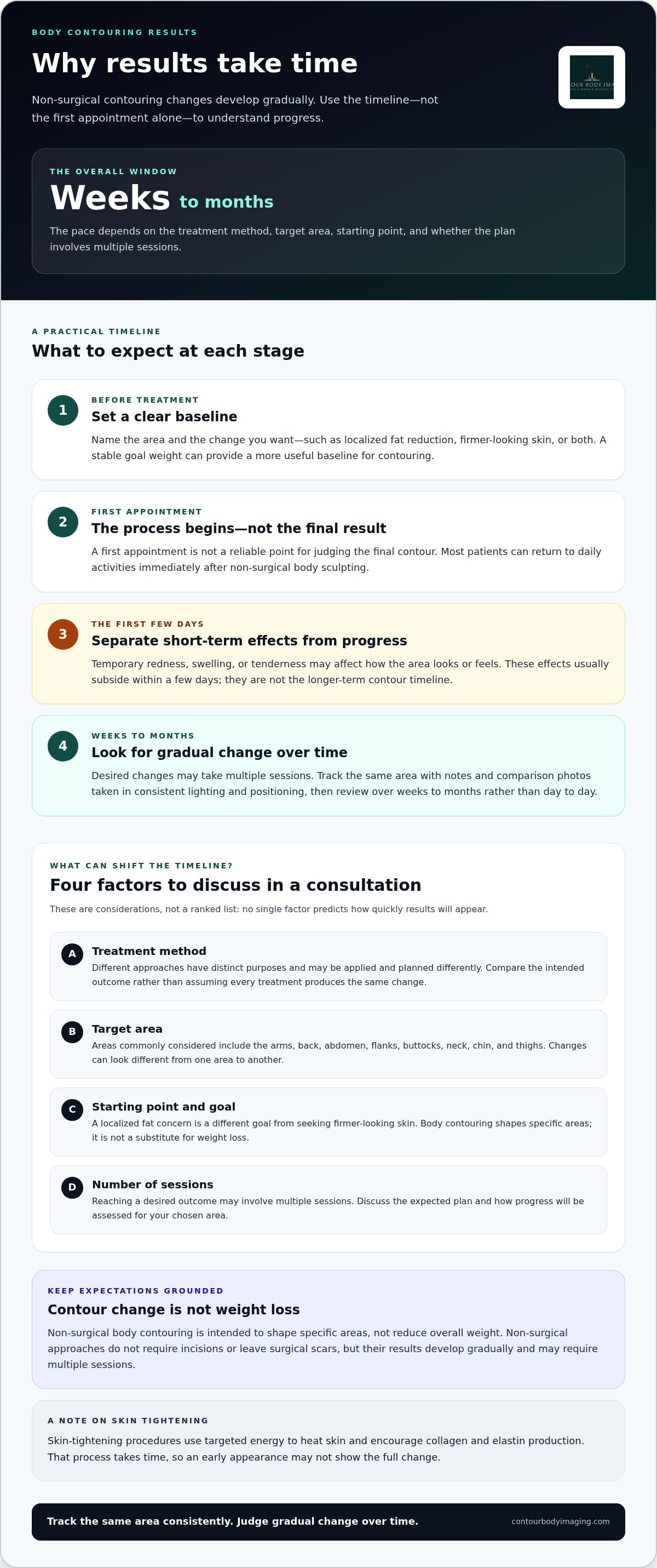
Cooling-based body contouring can involve a noticeable cold sensation in the treatment area. Comfort varies by person, target area, and method, so describe your expectations during the consultation. For example, mention whether you’re concerned about cold, pressure, or tenderness. This helps you discuss possible sensations before treatment begins, without assuming every device feels the same.
What risks and side effects are associated with body sculpting treatments? Temporary redness, swelling, or tenderness may occur after treatment and usually subsides within a few days. Most people can return to daily activities immediately, although short-term effects may still influence comfort.
Cooling and discomfort aren’t the same thing. Cooling describes the sensation or approach involved; discomfort describes how your body responds. Ask the practitioner to explain the steps for your specific treatment, including how the target area is prepared and what you may feel during application. A clear explanation can help you decide whether the approach suits your comfort preferences.
Before booking, write down your questions and discuss the area you want treated. Stubborn fat around the waist, for example, is a different concern from skin texture or cellulite. Body contouring is intended to shape localized areas, not provide weight loss. Discuss a goal of rejuvenation or smoother-looking skin separately from reducing a localized fat pocket.
Describe the concern: Name the area and explain whether your priority is contour, firmness, or skin appearance.
Ask about sensations: Discuss cooling, pressure, and tenderness for the selected method.
Plan around recovery: Ask how temporary redness, swelling, or tenderness could affect your usual activities.
Clarify the target: Confirm which area the treatment plan focuses on and what outcome it aims to address.
For an appointment in The Woodlands or Dallas, use the consultation to make these questions specific to your chosen method. Don’t assume every treatment marketed for fat cells, cellulite, or skin rejuvenation works in the same way. Ask what the treatment is designed to target, what sensations you may experience, and how the practitioner will respond if you feel uncomfortable. These practical details matter more than broad claims about comfort.
After treatment, pay attention to the area and how it feels during ordinary activities. Temporary redness, swelling, and tenderness usually settle within a few days, while most people resume daily activities immediately. If a sensation concerns you, contact the treating practice for guidance rather than making assumptions based on another cooling technique. Knowing what to expect helps you make an informed choice about comfort and care.
Financing and payment plans
Plan for the full treatment commitment, not just the first appointment. Non-surgical body contouring can take multiple sessions, and the total depends on the method, target area, and treatment plan. A plan for localized fat reduction differs from one focused on muscle tone or skin firmness. Consider the proposed sessions alongside your budget before scheduling.
For pricing, the amount depends on the case and is provided after a quote request; the treatment method, areas addressed, and planned sessions shape the quote. Compare proposals using the same scope. For example, a quote covering one area isn’t directly comparable to one covering several areas or additional sessions.
Payment-plan wording can hide important differences. Read the written terms and identify the payment schedule, total repayment obligation, any interest or fees, and consequences of late payment. If a plan uses a third-party financing company, note who collects payments and handles account questions. These details help you understand the commitment beyond a monthly installment.
Before agreeing to a package or financing arrangement, review these items:
Included care: Match the covered areas and sessions to the treatment plan.
Payment timing: Note when each payment is due and how long payments continue.
Additional charges: Identify any fees listed in the written terms.
Changes or cancellation: Understand what happens if appointments change or treatment stops.
Promotional terms: Check the offer’s conditions and its effect on the total commitment.
Consider timing as well as affordability. Body contouring results develop gradually over weeks to months, and treatment may involve multiple sessions. A payment schedule should fit your budget without rushing decisions about follow-up care. Low downtime doesn’t change the financial commitment, and an installment amount alone doesn’t show the overall cost.
Keep treatment goals realistic when comparing financing. Body contouring targets specific areas; it isn’t a weight-loss program. Muscle-toning approaches and fat-reduction treatments address different goals, so compare plans only after understanding what each session is designed to do. This distinction helps you avoid paying for a package that doesn’t match the appearance you want.
Use a simple decision sequence: get the treatment scope in writing, compare the full repayment terms, then decide whether the schedule fits your budget. If the terms are unclear, pause and review them before signing. A considered choice protects your financial comfort and your ability to follow the planned sessions.
Contour Body Imaging: Cryo T-Shock Body Contouring
Contour Body Imaging offers Cryo T-Shock Body Contouring for people exploring a non-invasive approach to shaping specific areas. Its thermal shock technology is designed to target fat cells, making it relevant when your goal is to address a specific area rather than pursue overall weight loss. Results and timing vary, so treatment planning should reflect your goals and target area.
Consider this option if you’re comparing non-surgical treatments and want to understand how thermal technology fits your priorities. Discussing your target area and desired outcome can help you decide whether it’s a suitable next step. It isn’t a substitute for weight-loss care or a promise of a particular result.
Contact Contour Body Imaging or visit contourbodyimaging.com to learn more.
Choose a next step that feels right for you
Your next step can be a focused conversation about your goals, comfort, and preferred approach. If your search for affordable body sculpting near me has brought you here, use the consultation to clarify what you hope to address and whether a non-invasive option suits your priorities.
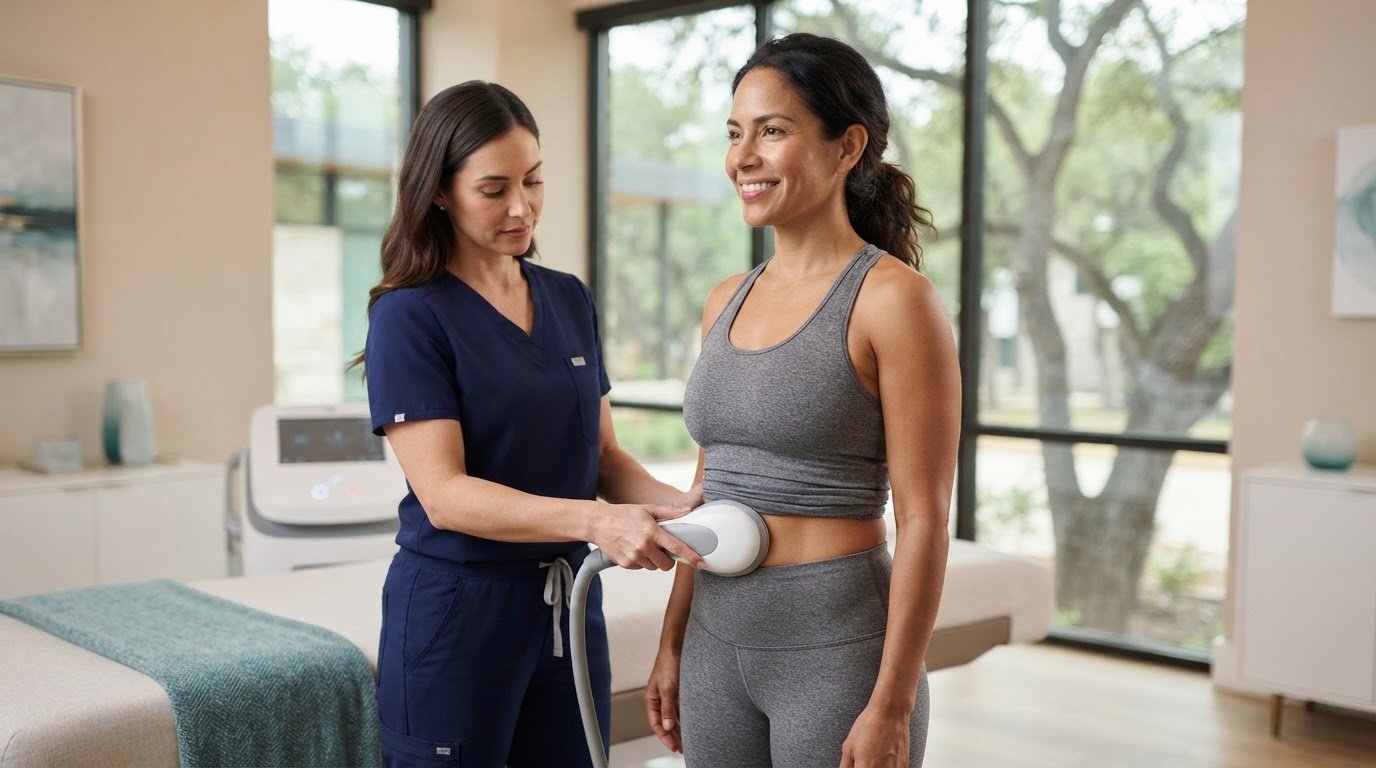
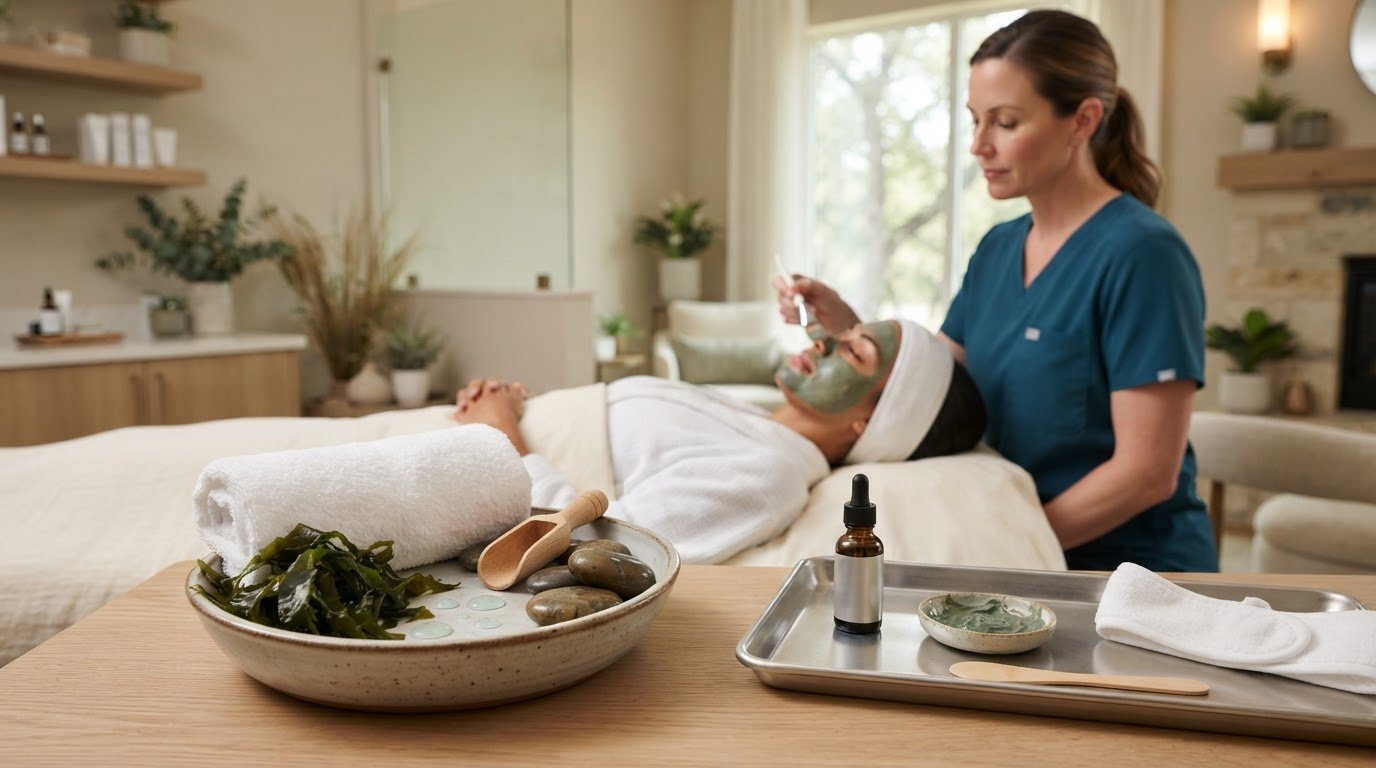
Contour Body Imaging offers Cryo T-Shock Body Contouring, Cryo Facials, and Endosphere Therapy. Each serves a different purpose, so start with the outcome you’re seeking rather than assuming one treatment fits every goal. A clear discussion can help you explore the relevant option and decide how you’d like to proceed.
Move forward at your own pace. An informed choice is a positive step toward feeling more comfortable in your care journey.
Frequently Asked Questions
Can body contouring treatments help with skin laxity post-weight loss?
Some non-surgical treatment plans address skin laxity through targeted energy that heats skin and stimulates collagen and elastin production. After weight loss, the goal matters: improving firmness differs from reducing a localized fat pocket. Consider the area and your skin’s condition during treatment planning. Someone concerned about loose abdominal skin, for example, may need a different approach from someone targeting stubborn fat.
How Does It Work?
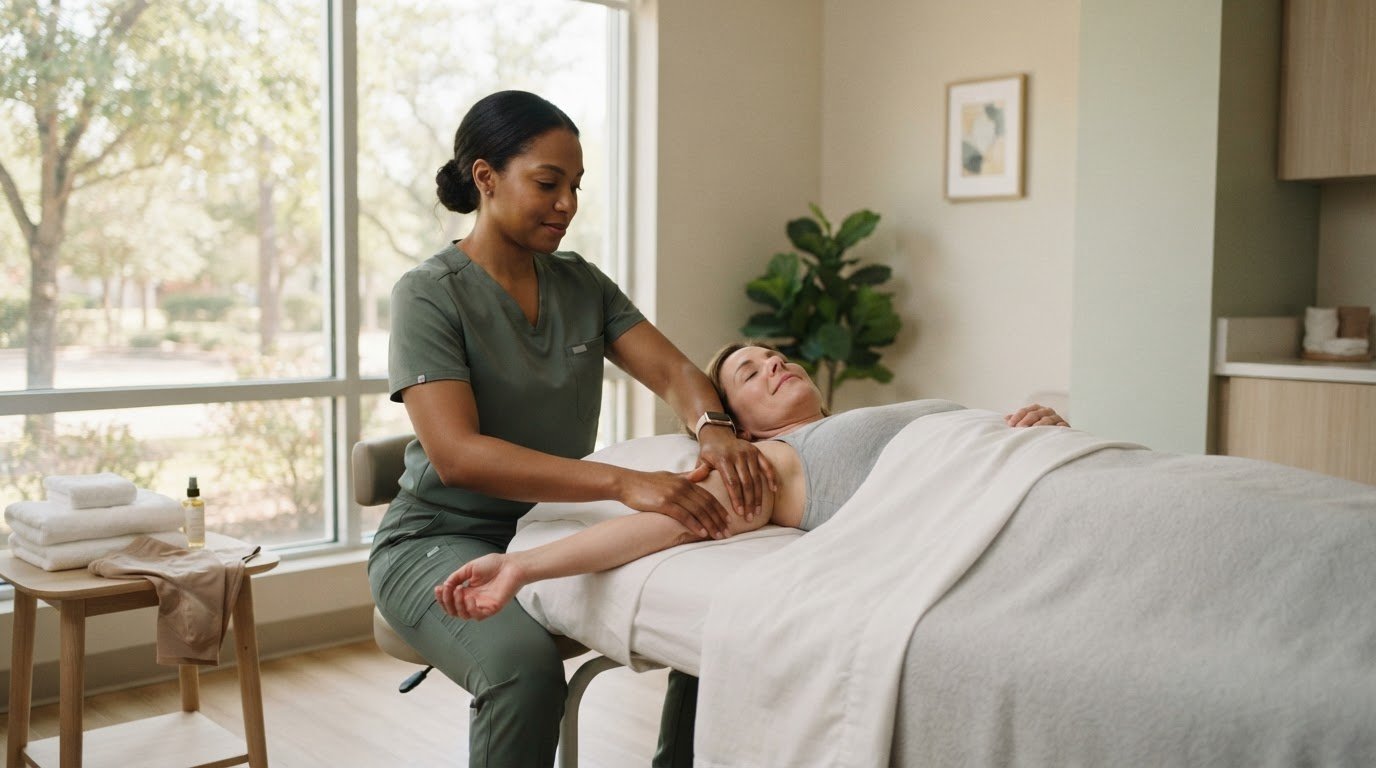
Non-surgical body contouring uses different approaches to address specific goals. Fat-reduction treatments target localized fat, muscle-toning devices prompt targeted muscle contractions, and skin-tightening procedures use energy to heat skin and stimulate collagen and elastin. Cryo T-Shock Body Contouring uses alternating hot and cold temperatures. The method, target area, and treatment plan determine what a session is designed to address.
Who Is a Good Candidate?
Body contouring may suit people near their ideal body weight who have localized fat or skin laxity that hasn’t responded to traditional weight-loss methods. It’s designed to contour, not serve as a weight-loss solution. A practical first step is to identify your target area and goal, such as firmer-looking skin or a change in a stubborn pocket. Stable weight can help make that goal clearer.
What is the average cost of body sculpting treatments in my area?
There isn’t one useful average for every treatment or area. The price depends on the method, the areas addressed, and the treatment plan, including the sessions involved; a quote request determines the case-specific price. If you’re searching for affordable body sculpting near me, compare what each written quote includes rather than judging by a single session’s cost.
Which local body sculpting clinics offer the lowest prices or financing?
The lowest advertised payment may not reflect the full commitment. For options serving The Woodlands and Dallas, compare the treatment area, included sessions, written payment terms, and any added fees. Contour Body Imaging lists an Introductory Offer, but that alone doesn’t establish financing terms or the lowest overall cost. Review the stated inclusions alongside your treatment goals before deciding.
Does insurance cover body sculpting, and are there discounts or package deals?
Insurance coverage depends on your policy and how the treatment is classified, so review your plan’s terms before budgeting. Contour Body Imaging lists an Introductory Offer, which is distinct from an insurance benefit or financing plan. Read the offer’s stated inclusions and conditions, then compare them with the treatment area and sessions you’re considering. Don’t assume a package covers future appointments unless its terms say so.
Comments