

Endosphere Therapy for Fibrosis: How Many Sessions Might You Need
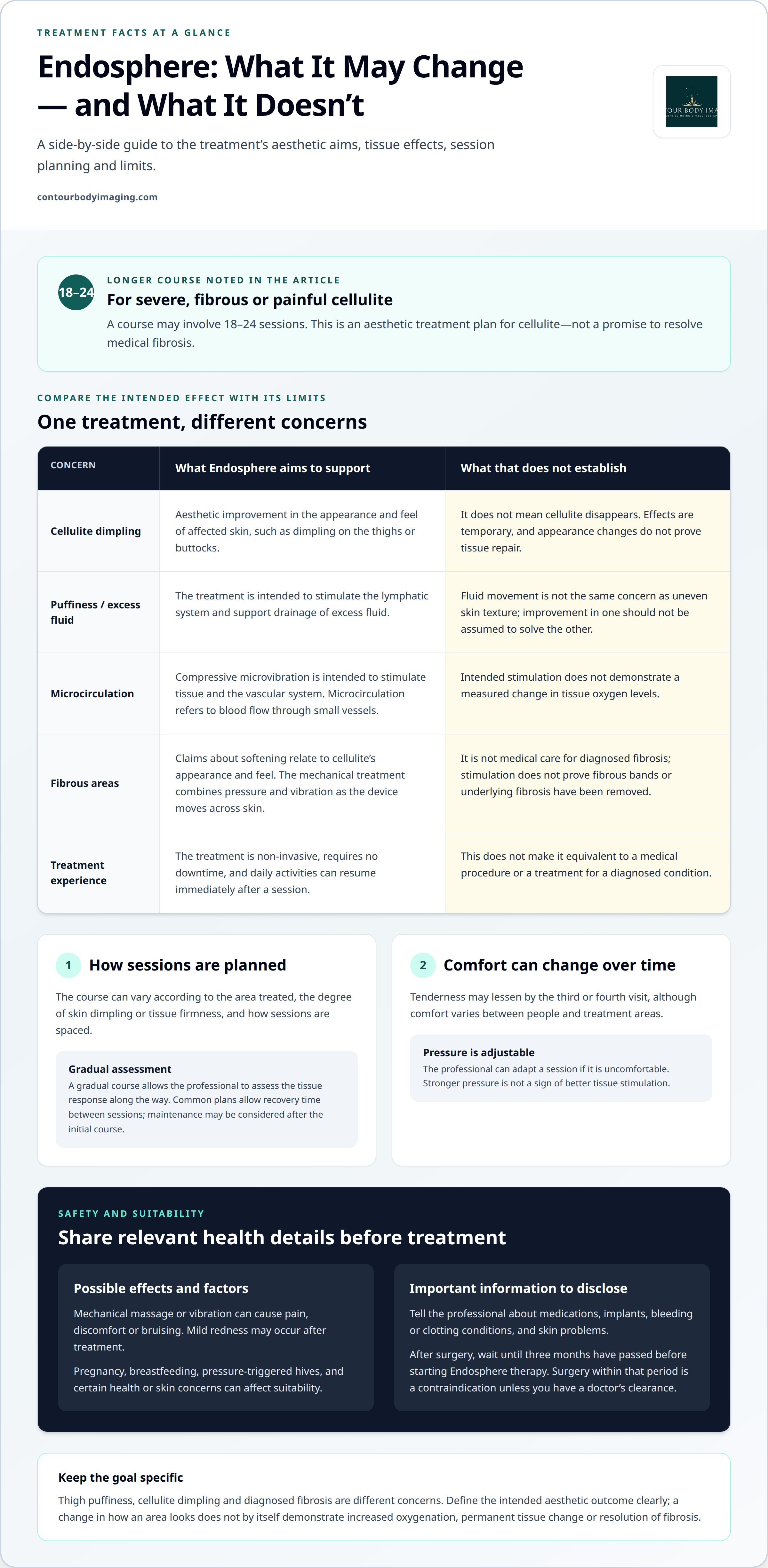
For severe, fibrous, or painful cellulite, a course of Endosphere therapy may involve 18-24 sessions. That range describes an aesthetic treatment plan for cellulite, not a promise to resolve medical fibrosis. Endosphere therapy for fibrosis is best understood in the context of what the treatment aims to change: the appearance and feel of affected tissue.
It’s reasonable to want a clear session count before committing. The number can vary with the area treated, the degree of skin dimpling or tissue firmness, and how sessions are spaced. A gradual course allows the professional to assess how the tissue responds along the way.
This article explains how compressive microvibration stimulates tissue, what is claimed about softening fibrous areas, and how session frequency may differ for cellulite, fluid retention, and facial treatments. It also compares Endosphere with other aesthetic treatments, so you can better understand what it may, and may not, address before considering a course.
Table of Contents
Compressive microvibration and tissue stimulation
Endosphere therapy uses compressive microvibrations, a mechanical treatment that combines pressure and vibration as a device moves across the skin. It is intended to stimulate tissue, not remove it surgically. This distinction matters when considering Endosphere therapy for fibrosis: the treatment is used for aesthetic concerns such as the appearance of cellulite, and is not medical care for a diagnosed condition.
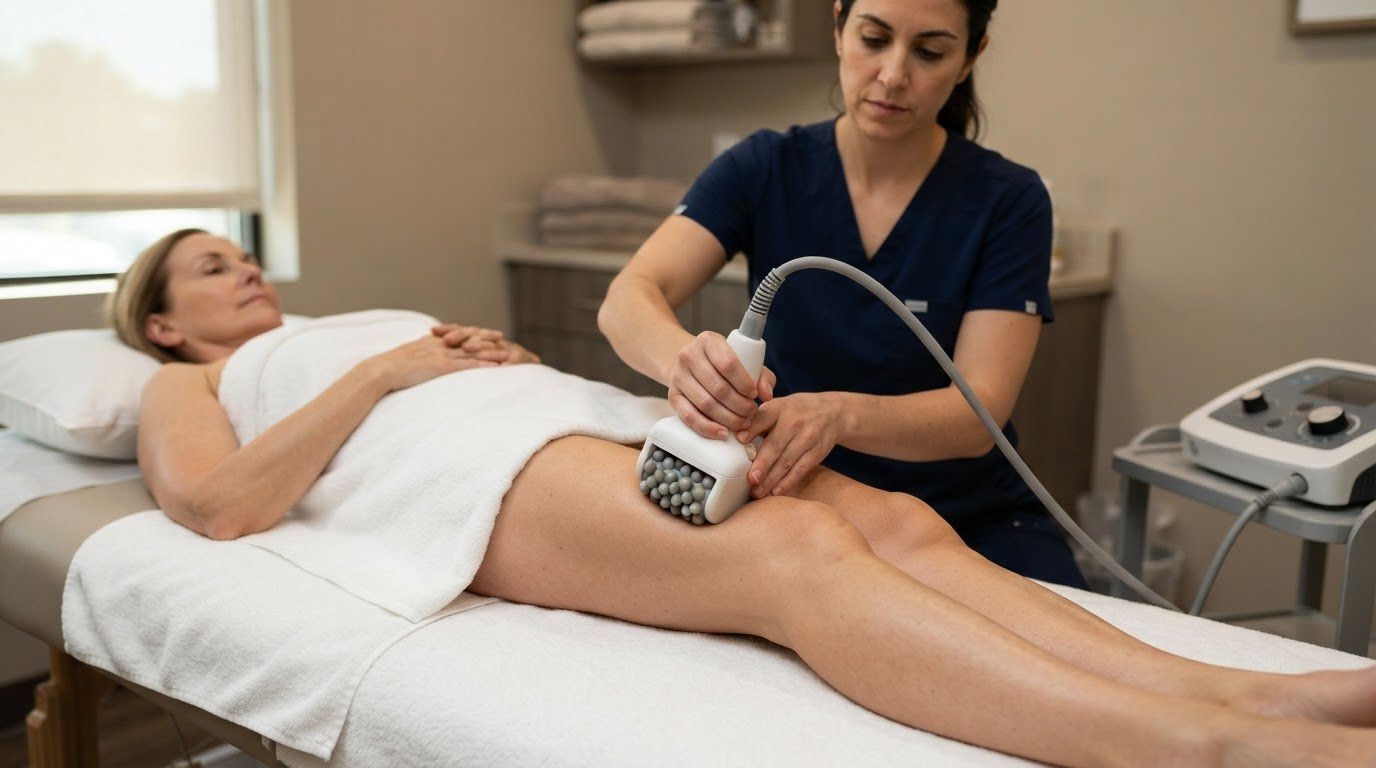
Descriptions of Endosphere’s compressive microvibration technology often focus on the treatment head’s spheres and their repeated contact with tissue. Silicone spheres are included in common descriptions of the system, but the core idea is the combination of compression and vibration, not a promise that a particular area will change. As the device passes over an area such as the thigh, the repeated stimulation is intended to create a massage-like effect.
“Compressive Microvibration® technology” and “compressive microvibration technology” refer to the same central method: mechanical stimulation through rhythmic contact. These phrases describe how treatment is delivered, not a separate treatment step or a guaranteed result. The professional moves the device over the selected area, adjusting contact to the treatment zone and your comfort.
The practical difference from an ordinary hand massage is the device’s repeated mechanical action. For example, a session focused on the buttocks may cover a broader surface than work around a smaller, more sensitive area. The treatment is intended to stimulate tissue and may support circulation and fluid drainage, but these effects do not prove that fibrous bands or underlying fibrosis have been removed.
What risks and contraindications should you know? Mechanical massage or vibration can cause pain, discomfort, or bruising, and mild redness may occur after treatment. Pregnancy, breastfeeding, recent surgery, pressure-triggered hives, and certain health or skin concerns can also affect suitability. Share information about medications, implants, bleeding or clotting conditions, and skin problems before treatment.
After surgery, the stated precaution is to wait until three months have passed before starting Endosphere therapy. Surgery within that period is a contraindication unless you have a doctor’s clearance. This timing is a safety consideration, not a treatment interval.
During a course, tenderness may lessen by the third or fourth visit, but comfort can vary between people and treatment areas. If you experience discomfort, the professional can adapt the session. Stronger pressure is not a sign of better tissue stimulation, so clear communication helps keep the experience comfortable.
In short, compressive microvibration technology describes a method of mechanical tissue stimulation, not a diagnosis or cure. Understanding how the spheres, pressure, and vibration work together helps set realistic expectations: the aesthetic aim is to improve an area’s appearance or feel, while effects and suitability depend on the individual.
Microcirculation and tissue oxygenation
Endosphere therapy is intended to stimulate the lymphatic and vascular systems, supporting circulation and drainage of excess fluid. These processes relate to tissue appearance but describe different effects. For example, puffiness in the thighs concerns fluid movement, while dimpled cellulite concerns visible skin texture. A treatment goal focused on one should not automatically be treated as a solution for the other.
Microcirculation means blood flow through the small vessels that supply tissue. The vascular system carries blood, while the lymphatic system helps move excess fluid away from tissues. Endosphere therapy is described as stimulating both systems. This describes the intended action, but does not establish a measured change in tissue oxygen levels or show that fibrous bands have been removed.
Oxygenation is related to circulation, but the terms aren’t interchangeable. Blood carries oxygen to tissues; drainage refers to the movement of excess fluid. A fuller-looking area, such as the abdomen after fluid retention, may have different contributing factors from uneven skin texture on the thighs. Distinguishing these concerns helps keep expectations aligned with the treatment’s aesthetic focus.
For cellulite, the relevant outcome is appearance: how visible dimpling looks across an area such as the buttocks. Improved fluid drainage may be among the intended effects, but it doesn’t mean cellulite disappears. Endosphere therapy is described as improving cellulite’s appearance rather than eliminating it, and effects are temporary. Consider appearance separately from any claim of tissue repair.
This distinction also matters when comparing non-invasive care with an invasive treatment. Endosphere therapy is non-invasive and requires no downtime; you can return to daily activities immediately after a session. These features don’t make it equivalent to a medical procedure or treatment for a diagnosed condition. A visible skin concern and a medical diagnosis call for different kinds of evaluation.
Consider two examples. Someone concerned about temporary puffiness may focus on drainage, while someone concerned about cellulite may focus on skin dimpling. In either case, define the intended outcome before treatment. A change in how an area looks doesn’t by itself demonstrate increased oxygenation, permanent tissue change, or resolution of fibrosis.
For a professional assessment, describe the specific area and concern, such as thigh puffiness or cellulite dimpling. Mention relevant skin problems, medications, implants, and bleeding or clotting conditions. These details help determine whether mechanical stimulation suits your treatment goal. They also keep circulation, fluid drainage, tissue oxygenation, and cellulite appearance from being treated as interchangeable outcomes.
The practical takeaway is to view circulation and drainage as intended treatment effects, not proof of a specific biological result. When evaluating progress, compare the same concern over time, such as the visible appearance of cellulite in the treated area. This keeps the focus on an aesthetic outcome rather than assuming tissue oxygen levels or underlying fibrosis have changed.
Suggested session frequency and spacing
Session plans depend on the goal, such as addressing fibrous cellulite, contouring, or fluid drainage. Recommendations for cellulite are not a treatment protocol for medically diagnosed fibrosis.
Recommended Session Count
A starting course may involve 12 sessions, while fibrous or painful cellulite may call for 18-24. These counts help frame a possible course, but the treatment goal matters: a plan for cellulite appearance differs from one focused on puffiness.
For cellulite and body contouring, commonly suggested courses involve 10-12 sessions. The larger 18-24 range relates to severe, fibrous, or painful cellulite, not a proven number of sessions to treat fibrosis as a medical condition.
Spacing Between Sessions
Spacing is the time allowed between appointments, and at least 48 hours is recommended between treatments. For cellulite and body contouring, sessions are commonly scheduled once or twice weekly, leaving enough time between visits.
For drainage and puffiness, a typical plan involves 6-8 sessions, twice per week. The schedule differs because lymphatic drainage and cellulite appearance are distinct treatment goals, even when the same mechanical massage approach is used.
These ranges offer context rather than one schedule for every concern. For example, someone focused on thigh dimpling may follow a contouring plan, while someone seeking reduced puffiness may focus on drainage. The area, tissue response, and comfort during treatment help shape the course.
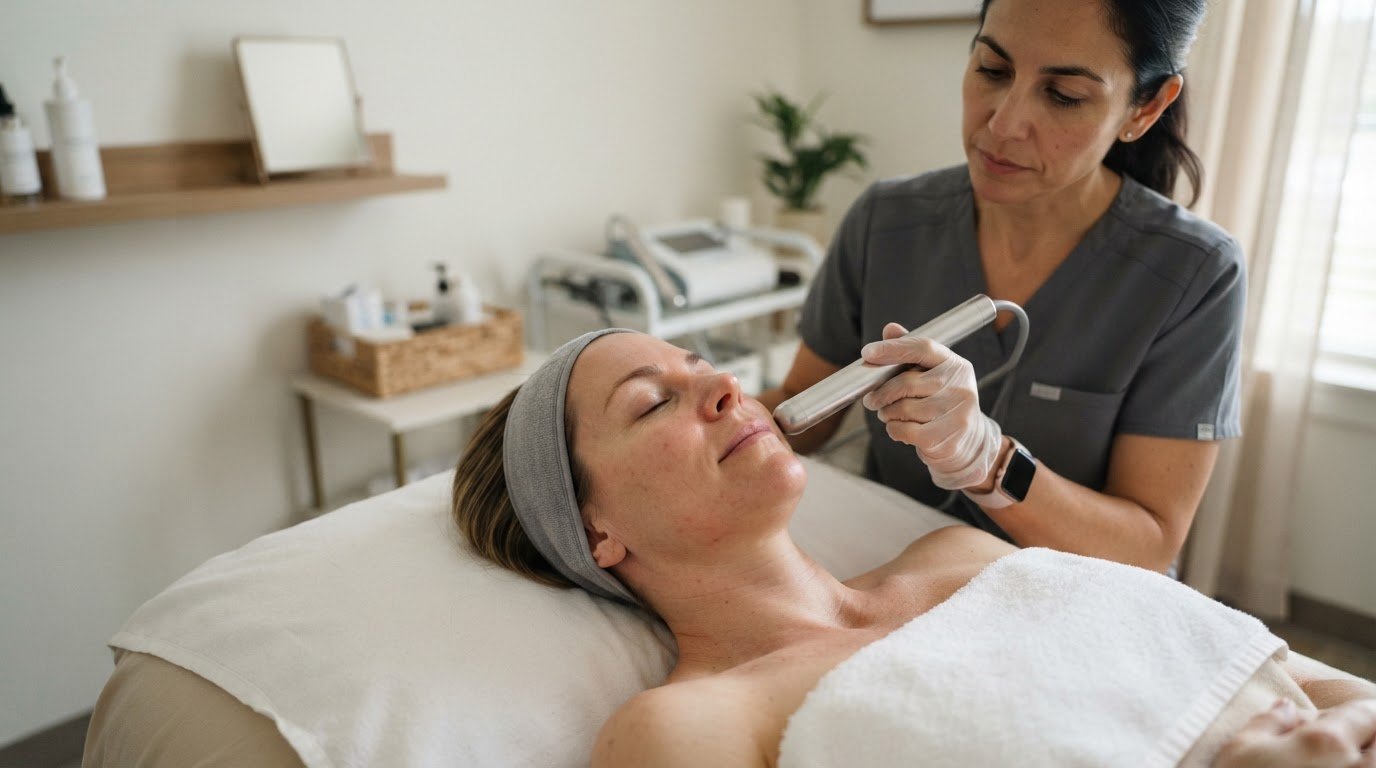
Facial protocols use a different pattern: 6-10 sessions, usually once per week. That contrast shows why body-session recommendations shouldn’t be transferred automatically to another treatment area or goal.
After an initial course, maintenance is commonly recommended once or twice per month. If maintenance stops, effects may fade within 4-8 weeks. These figures describe typical schedules and effects, not a guarantee that a particular change will last for that period.
Assess progress against the original goal, such as the visible appearance of cellulite or a sense of puffiness. A session count alone doesn’t establish that fibrosis has been treated; these recommendations concern aesthetic cellulite, contouring, and drainage.
In practical terms, expect a course rather than one visit: plans range from 6-8 sessions for drainage to 18-24 for severe, fibrous, or painful cellulite. Keep at least 48 hours between treatments, and understand the goal before interpreting the schedule as a fibrosis protocol.
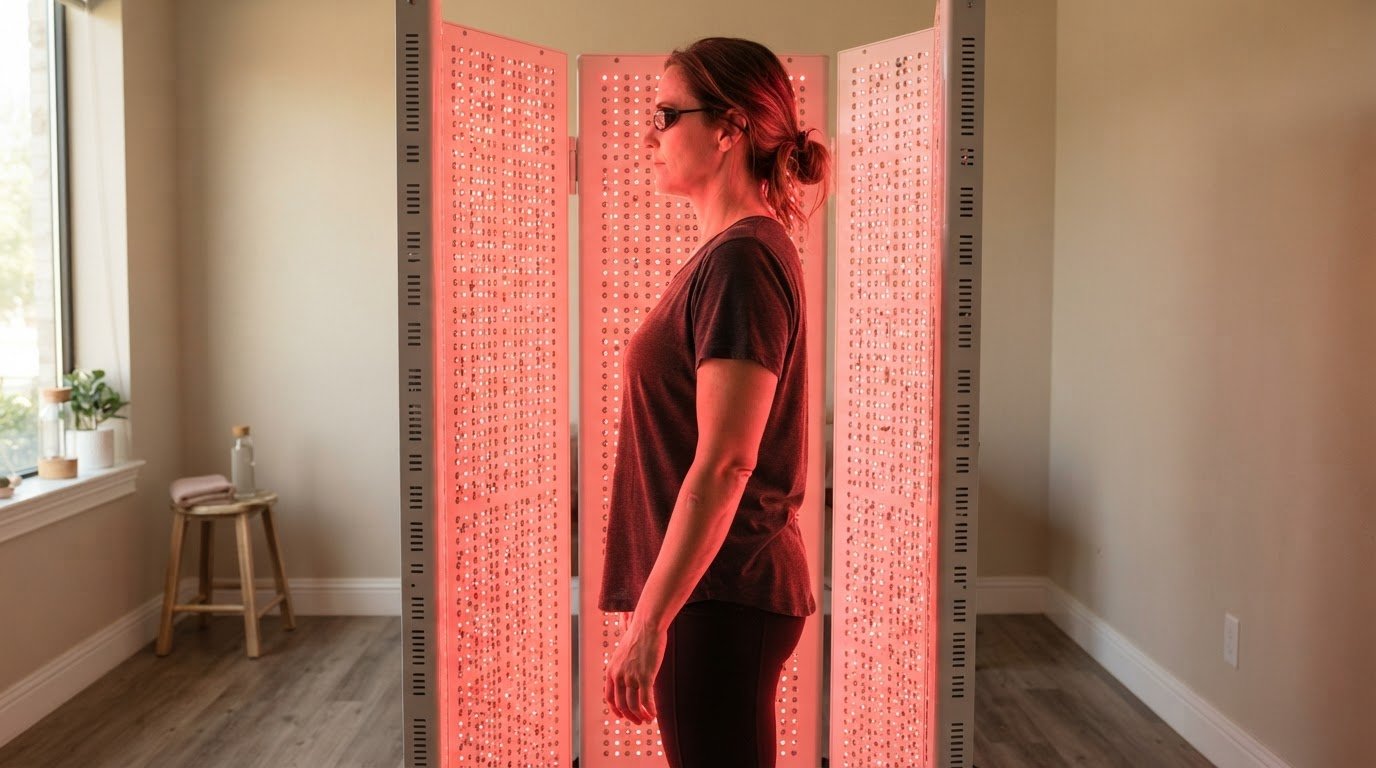
Claims about softening areas affected by fibrosis
Endosphere treatment is described as targeting cellulite by breaking down fat deposits and smoothing fibrous bands that pull on the skin. Here, “fibrous” refers to bands associated with cellulite’s dimpled appearance. It does not mean the treatment has been shown to resolve every condition medically called fibrosis.
That distinction matters because a change in surface texture isn’t the same as a change in underlying tissue. For example, dimpling on the thighs may appear less pronounced while deeper firmness remains. The aesthetic claim concerns the visible area, not proof that scar tissue or another diagnosed form of fibrosis has been removed.
Some people notice reduced heaviness and a flatter, less swollen appearance after 2-3 sessions. These early changes may relate to circulation and drainage, especially when fluid retention contributes to a puffy look. They don’t establish that fibrous bands have softened or that cellulite has disappeared.
Reports of improvement after a few sessions also need a clear definition of “improvement.” A professional may assess whether the skin looks smoother, dimpling appears less noticeable, or the area feels less heavy. These are different outcomes; a change in one shouldn’t be treated as evidence that all have occurred.
Vibration and compressive stimulation are intended to affect tissue mechanically. The proposed effect on cellulite involves smoothing bands that pull the skin downward, alongside changes in the treated area’s appearance. This describes the treatment’s aesthetic rationale; it isn’t a guarantee of structural change or a medical finding about fibrosis.
Body contouring goals can also shape what you notice. A flatter-looking abdomen after drainage may reflect less fluid-related fullness, while smoother-looking skin on the thighs concerns cellulite appearance. Treating these outcomes as interchangeable can make a course seem more or less effective than it is for your original goal.
Appearance: the treated area may look smoother or less dimpled.
Heaviness: a less heavy or swollen feeling may be noticed early.
Underlying fibrosis: visible changes alone don’t establish that a medical condition has changed.
A sound assessment keeps these observations separate. For example, if a client seeks improvement in thigh dimpling, the professional can focus on cellulite appearance rather than interpreting reduced puffiness as tissue repair. This makes progress easier to discuss without turning an aesthetic result into a medical claim.
In practical terms, claims about softening fibrous areas refer to cellulite-related appearance and feel. Early changes may be noticed after 2-3 sessions, but the specific observation matters more than the visit count. A flatter look, improved drainage, and smoother skin are distinct outcomes, not interchangeable evidence of fibrosis treatment.
Comparisons with other aesthetic therapies
Aesthetic therapies use different methods, so compare their intended effects rather than assuming they address the same concern. Endosphere uses mechanical compression and vibration to stimulate tissue. Radiofrequency and laser treatments use energy-based approaches and may be paired with Endosphere. A professional plan should connect each method to a defined goal, such as cellulite appearance or body contouring.
Endosphere is described as stimulating the lymphatic and vascular systems and promoting circulation and drainage of excess fluid. This focus may matter when puffiness or fluid retention affects an area’s appearance. It doesn’t establish that the treatment removes cellulite or resolves fibrosis. A visible change after drainage is different from a lasting change in skin texture.
Radiofrequency and laser treatments are separate aesthetic approaches that may be combined with Endosphere. The fact that treatments can be paired doesn’t mean they act identically or should always be scheduled together. Their role depends on the concern and intended outcome. A plan should clarify which treatment targets which goal, rather than treating a combination as automatically more effective.
Non-invasive treatment also differs from invasive treatment. Endosphere is non-invasive, requires no downtime, and allows you to resume daily activities immediately afterward. These features describe recovery expectations, not the size or permanence of the aesthetic effect. Invasive procedures involve a different level of intervention, so they aren’t interchangeable options based only on the desired appearance.
A practical comparison starts with the outcome you want to assess. For uneven dimpling on the thighs, the relevant measure is cellulite appearance. For a puffy-looking area, fluid drainage may be more relevant. For a diagnosed medical condition, comparing aesthetic treatments doesn’t establish that any option provides medical care.
Mechanical stimulation: Endospheres uses compression and vibration.
Energy-based approaches: radiofrequency and laser treatments use different methods and may be paired with Endospheres.
Recovery: Endospheres is described as requiring no downtime, with daily activities possible immediately.
These distinctions help prevent a common mismatch: choosing a treatment based on a broad label like “contouring” without identifying the specific concern. A professional can discuss the target area, whether your goal involves texture or puffiness, and how each approach relates to it. The device or treatment name alone doesn’t predict the result.
Compare options by asking what each method is intended to address, how its effects will be assessed, and whether the plan separates aesthetic goals from medical concerns. This gives you a clearer basis for considering Endosphere alongside radiofrequency or laser treatments, without assuming one method replaces another.
Contour Body Imaging: Endosphere
Contour Body Imaging offers Endosphere therapy for clients seeking non-invasive aesthetic care for cellulite appearance, fluid retention, or body contouring in The Woodlands and Dallas, Texas. A consultation can help clarify your treatment goal and how this approach differs from care for medically diagnosed fibrosis.
When discussing Endosphere, share the area you’d like addressed, your desired outcome, and relevant health or skin concerns. This keeps expectations focused on aesthetic effects, such as changes in visible dimpling or puffiness, rather than assuming the treatment resolves an underlying medical condition. If you have diagnosed fibrosis, seek guidance from a qualified medical professional about appropriate care.
Contact Contour Body Imaging to discuss whether Endosphere aligns with your aesthetic goals.
Choose Your Next Step With Clarity
Before choosing an aesthetic course, define the change you want to assess, such as skin texture, puffiness, or contour. This keeps Endosphere therapy for fibrosis in context: an aesthetic option, not a substitute for medical care for diagnosed fibrosis. If your concern is medical, seek guidance from a healthcare professional about diagnosis and treatment.
For an aesthetic goal, describe the area and outcome you hope to see. Contour Body Imaging offers Endosphere, Cryo T-Shock Body Contouring, and Cryo Facial in The Woodlands and Dallas, Texas, with different approaches for different aesthetic concerns. A consultation can help you consider which treatment aligns with your goal, without assuming one option fits every need.
A thoughtful next step starts with a clear goal and realistic expectations. You can move forward at a pace that feels comfortable and make an informed choice about your care.
Frequently Asked Questions
How Many Treatments Will I Need?
For cellulite appearance and body contouring, a typical course involves 10-12 sessions, once or twice weekly. More pronounced, fibrous, or painful cellulite may call for 18-24 sessions. These are aesthetic treatment ranges, not session counts for treating medical fibrosis. The goal matters: a plan focused on puffiness may use 6-8 sessions, while facial protocols commonly involve 6-10 weekly sessions.
Can endospheres therapy be combined with other treatments?
Yes, Endosphere therapy can be paired with radiofrequency or laser treatments. They use different approaches, so a combination should have a clear aesthetic goal rather than being assumed to work better automatically. For example, a plan might address skin appearance with one method and mechanical stimulation with another. The timing and suitability of combined treatments depend on the treatment area, your health details, and the intended outcome.
Does endospheres therapy work, and is it worth it?
Endosphere therapy may improve the appearance of cellulite and support circulation and fluid drainage, but it doesn’t eliminate cellulite or guarantee a particular result. Whether it feels worthwhile depends on your goal, comfort with a course of treatment, and expectations about temporary aesthetic changes. Someone seeking a less dimpled appearance may value that focus, while someone seeking treatment for diagnosed fibrosis needs medical guidance instead.
How Does It Work?
Endosphere therapy uses compressive microvibration, a mechanical action delivered through a device that moves over the treatment area. It is intended to stimulate tissue, the lymphatic system, and vascular circulation. Reducing the look of thigh dimpling and easing puffiness are separate aesthetic goals, even if both are addressed through treatment.
How long do the results last?
Effects may fade within 4-8 weeks if maintenance is stopped. That timeframe doesn’t mean every person experiences the same duration or degree of change. For instance, a smoother-looking area or reduced puffiness may not remain unchanged without ongoing maintenance. Lifestyle and treatment consistency can also influence how results appear over time, so consider maintenance as part of the overall plan rather than expecting a permanent effect.
How many sessions do you need?
For body contouring or cellulite appearance, a common plan is 10-12 sessions, scheduled once or twice weekly, with at least 48 hours between treatments. A course for severe, fibrous, or painful cellulite may involve 18-24 sessions. These schedules describe aesthetic protocols, not a treatment prescription for diagnosed fibrosis. The target area and whether the goal is contouring, drainage, or facial treatment help determine which range is relevant.
Is There Any Downtime?
Endospheres therapy is described as requiring no downtime, and people can resume daily activities immediately after a session. Mild redness may last 30-60 minutes. Mechanical massage or vibration treatments can also cause discomfort, tenderness, or bruising. If your skin develops hives from pressure or vibration, or if you have a skin problem or bleeding condition, share that information before treatment.
What is Endosphères therapy and how does it work for fibrosis?
Endosphères therapy is a non-invasive aesthetic treatment that uses compressive microvibration to stimulate tissue. Claims about “fibrosis” usually refer to fibrous bands associated with cellulite and the appearance of dimpling, not a proven treatment for every medical form of fibrosis. For example, a visible texture change doesn’t establish that scar tissue has been removed. Discuss diagnosed fibrosis with a healthcare professional.
Comments